

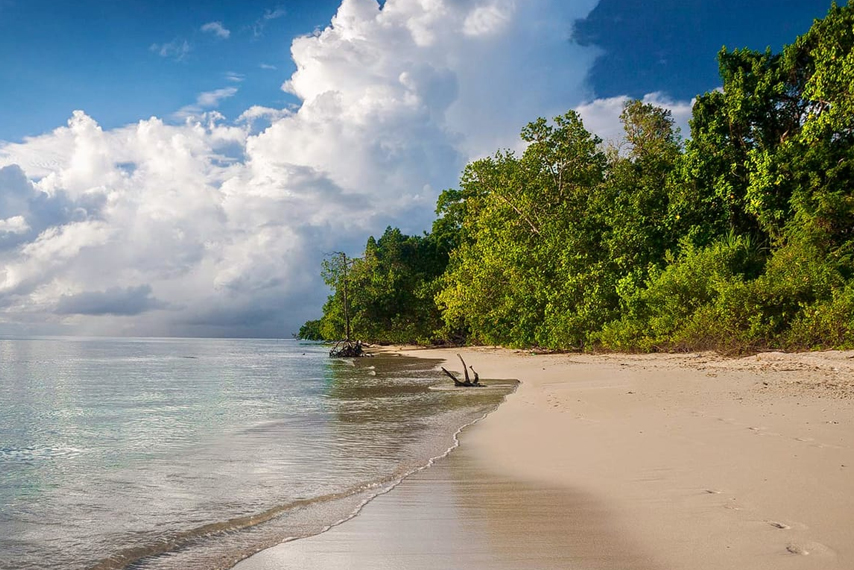
Quick answer: The top reasons to visit Andaman are white-sand beaches like Radhanagar, some of India’s cheapest world-class scuba diving, glowing bioluminescent seas at night, living colonial and WWII history at the Cellular Jail, and easy island-hopping between Port Blair, Havelock and Neil. The best months to go are October to May.
Suggested Read: Game fishing in Andaman and Things to do in Andaman
Most people ask the same thing before booking: is Andaman worth the flight and the ferry, or is it just another beach holiday dressed up? Fair question. The islands sit 1,200 km off India’s east coast, so getting here takes effort. What you get back is a stretch of the Bay of Bengal that still feels genuinely wild, where the diving is cheap, the sand actually squeaks, and the history runs deeper than the water.
Here are ten concrete reasons to visit Andaman, each one specific enough that you can plan around it. No filler. If a reason does not survive contact with a real itinerary, it did not make the list.
1. The beaches genuinely rank among the world’s best
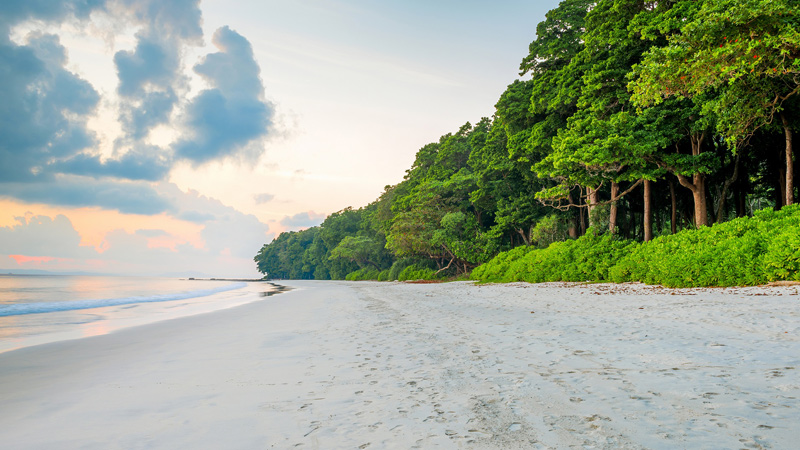
Radhanagar Beach on Havelock (Swaraj Dweep) is the headline. Time magazine named it Asia’s best beach back in 2004, and it has held up: a wide, west-facing curve of white sand backed by rainforest, with a swimmable lagoon and lifeguards on duty. Sunset here is the real event. Skip the day-trip rush and arrive after 4pm.
Beyond Radhanagar, the choice is wider than most visitors expect:
- Kalapathar (Havelock): quieter, east-facing, black rocks against pale sand. Best at sunrise, and the launch point for many bioluminescence tours.
- Elephant Beach (Havelock): the snorkelling and water-sports beach, reached by a 40-minute jungle trek or a short speedboat ride.
- Bharatpur and Laxmanpur (Neil / Shaheed Dweep): Bharatpur is shallow and calm, ideal for families and non-swimmers. Laxmanpur is the sunset beach, near the Natural Bridge rock formation.
- Sitapur (Neil): the sunrise beach on the island’s far side, rarely crowded even in peak season.
One practical note: Radhanagar is protected, so there are no jet skis or banana boats there. For motorised water sports you head to North Bay or Elephant Beach instead.
2. World-class scuba diving costs a fraction of what it does abroad
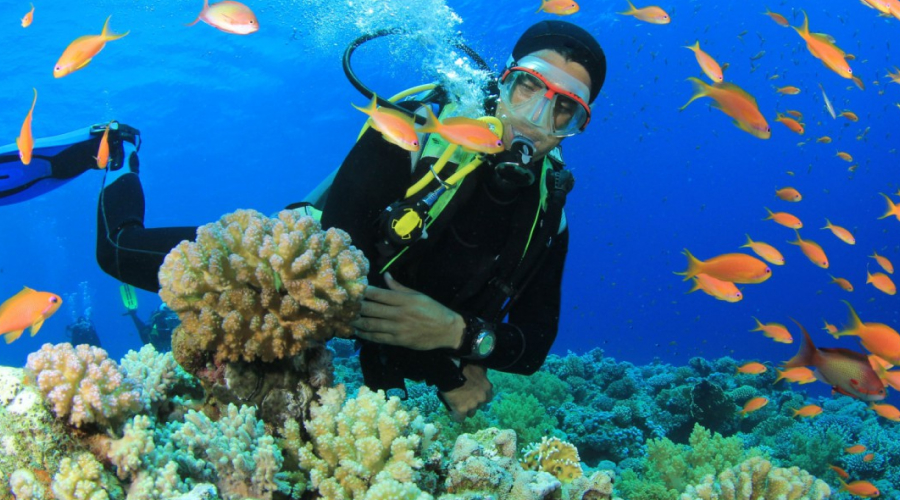
Andaman is one of the cheapest places on earth to learn to dive in genuinely good water. Havelock is the hub, with a cluster of PADI and SSI centres running trips to reefs that most divers only see in documentaries. Visibility peaks from February to April, when the sea flattens out and you can see 20 to 30 metres on a good day.
What the diving looks like in practice:
- Try dives (no certification): a guided Discovery Scuba dive runs roughly Rs 3,500 to 6,500 depending on the operator and whether it is shore or boat based.
- PADI Open Water course: the full certification typically runs three to four days. Budget in the region of Rs 22,000 to 28,000.
- Signature dive sites: Nemo Reef and The Aquarium for beginners, Johnny’s Gorge and Dixon’s Pinnacle for certified divers chasing sharks, rays and big schools.
- Barren Island: India’s only active volcano, dived on multi-day liveaboard trips for advanced divers. Black volcanic sand, manta sightings, and a smoking cone above the surface.
Neil Island has diving too, and it is calmer and cheaper if you want a gentler first experience. Barefoot Scuba, DIVEIndia and Ocean Tribe are among the long-established operators.
3. The sea glows in the dark

Bioluminescence is the reason people who have been to plenty of beaches still rank Andaman highly. On dark, moonless nights, plankton in the water light up bright blue when disturbed. Dip a paddle and the sea sparks. This is not guaranteed on every trip, which is exactly why it feels rare when it happens.
How to actually see it:
- Book a night kayaking tour on Havelock, usually launching from the mangroves near Kalapathar. Operators run these on new-moon and near-new-moon nights.
- Aim for the darker half of the lunar month, roughly November to April, when the water is clear and the sky is dark.
- Leave the phone in a dry bag. The glow rarely photographs well, and you will see more with your eyes than through a screen.
Very few competitor guides even mention this. It is one of the strongest single reasons to visit Andaman rather than a mainland beach.
4. There is real adventure beyond lying on the sand
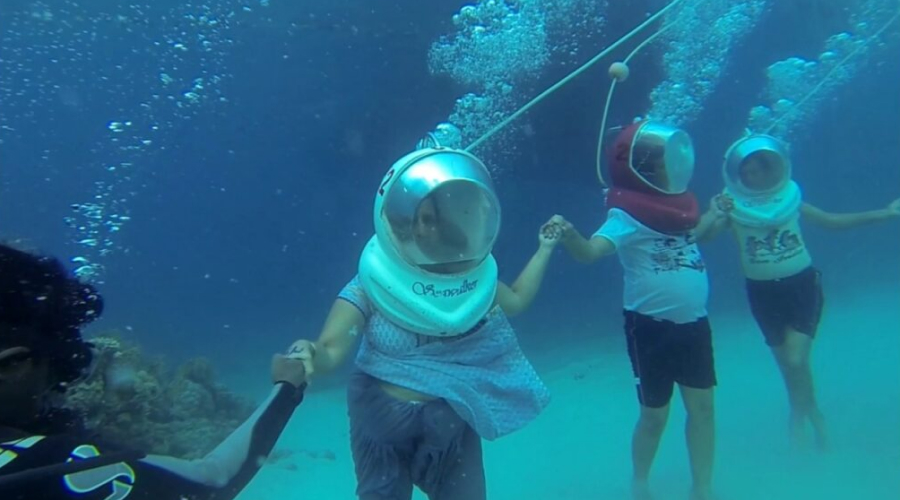
Andaman works for people who get restless in a lounge. The activity list is long and, crucially, a lot of it suits non-swimmers and nervous first-timers.
- Sea walking: you wear a weighted helmet fed with air and walk along the seabed at North Bay or Elephant Beach. No swimming skill needed and starts around Rs 3,500.
- North Bay water sports: jet ski, banana boat, parasailing and glass-bottom boats, all clustered near Port Blair for a half-day.
- Jungle trekking: the trek to Elephant Beach through Havelock’s forest, or the tougher climb up Saddle Peak, the archipelago’s highest point, near Diglipur.
- Kayaking and game fishing: mangrove kayaking around Havelock and Mayabunder, and sport fishing charters for those chasing bigger catches.
5. The history is heavy, and you can walk through it
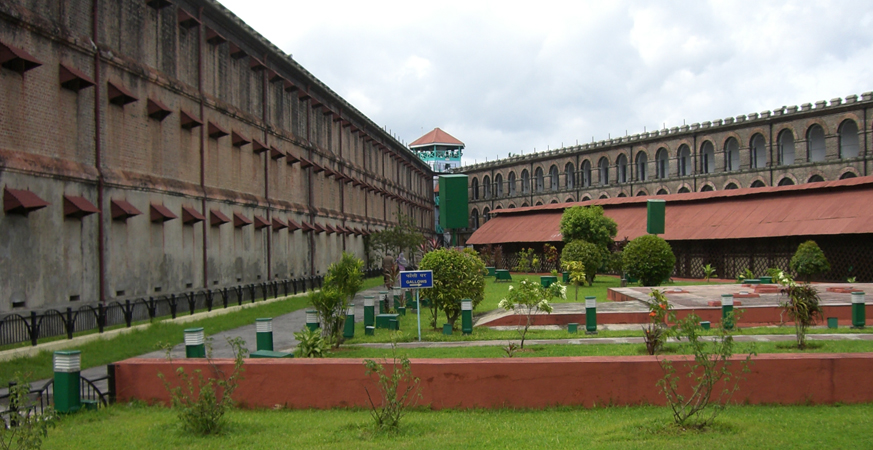
Port Blair holds one of the most sobering sites in India: the Cellular Jail, or Kala Pani, where the British imprisoned freedom fighters in solitary cells. The evening light-and-sound show tells that story on the jail’s own walls, and it lands harder than any museum panel. This is the reason to visit Andaman that surprises people who came only from the sea.
The wider historical circuit:
- Ross Island (Netaji Subhas Chandra Bose Dweep): the former British administrative capital, now atmospheric ruins reclaimed by roots and roaming deer. A short ferry from Port Blair.
- WWII bunkers: Japanese-built defences dot the islands, a reminder that Andaman was occupied during the war.
- Chatham Saw Mill and the Anthropological Museum: for the industrial and cultural back-story, both in Port Blair.
6. Baratang has limestone caves and mud volcanoes you reach through the jungle

Baratang is a full-day trip north from Port Blair, and the journey is half the point. The road runs through the Jarawa Tribal Reserve, so vehicles move in a timed convoy from the Jirkatang checkpost. The rules are strict and non-negotiable: no stopping, no photography, and no interaction with the Jarawa community. Respect them.
What waits at the other end:
- Limestone caves: reached by a speedboat ride through mangrove creeks and a short walk, with dramatic dripstone formations inside.
- Mud volcanoes: small, bubbling cones of cool grey mud, a geological oddity found almost nowhere else in India.
- Parrot Island: at dusk, thousands of parakeets return to roost in a single mangrove stand. A quiet, genuinely strange spectacle.
Start early. The convoy timings mean this is a 5am start and a long day, but it is unlike anything else on the islands.
7. The marine life is a biodiversity hotspot, not a marketing line
The Andaman and Nicobar archipelago is made up of 572 islands, most of them uninhabited, ringed by coral reefs that support species you will not find on India’s mainland coast. The Mahatma Gandhi Marine National Park at Wandoor protects a slice of it, viewable by glass-bottom boat or snorkel.
Wildlife worth planning around:
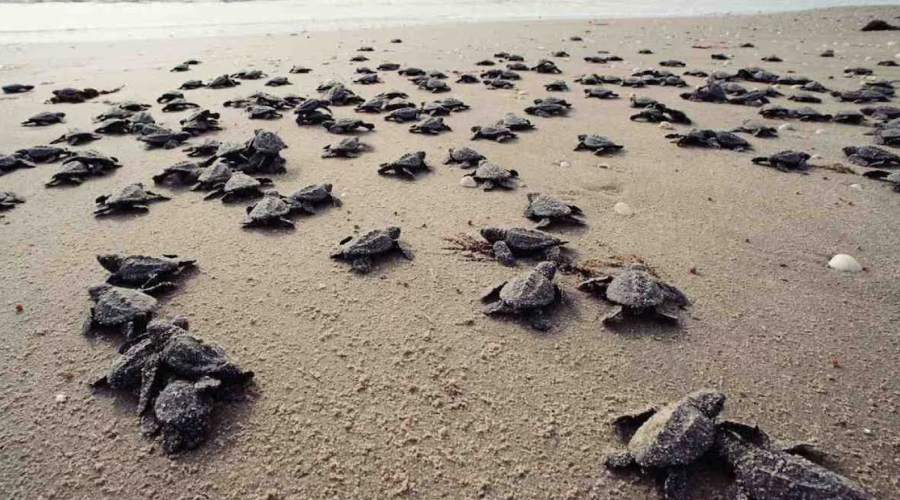
- Turtle nesting at Diglipur: Kalipur Beach in the far north hosts nesting turtles, including the giant leatherback, mainly from December to February. Volunteers and forest staff run night walks.
- Reef fish and rays: clownfish, parrotfish, moray eels and reef sharks are common sightings off Havelock and Neil.
- Dugongs: the shy sea cow is the islands’ state animal. Sightings are rare, which makes them a story worth having.
8. Island-hopping is easier and better organised than you would expect
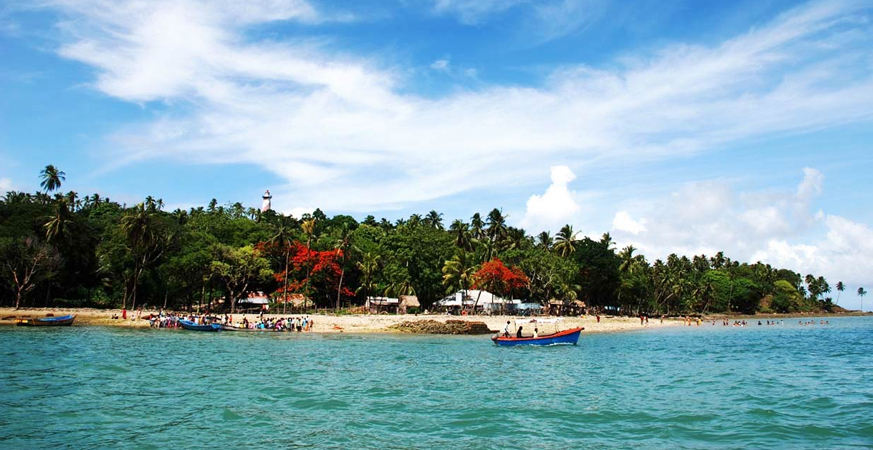
Getting around Andaman is smoother than its remoteness suggests. You fly into Veer Savarkar International Airport at Port Blair (the city is officially Sri Vijaya Puram since 2024), then move between islands on fast catamaran ferries. There is no long-haul road slog, no unreliable connections. Just book the ferries ahead of time in peak season.
The main crossing, Port Blair to Havelock, takes about 90 minutes to two hours on a private ferry. Here is how the operators compare:
| Operator | Route (Port Blair to Havelock) | Duration | Fare range (by class) |
| Makruzz | Direct, air-conditioned catamaran | ~1.5 hrs | Rs 1,200 to 3,100 |
| Nautika | Direct, multiple classes | ~1.5 to 2 hrs | Rs 1,150 to 2,600 |
| Green Ocean | Direct, economy to luxury | ~2 hrs | Rs 950 to 2,250 |
| Govt ferry | Slower, book via STARS portal | ~2.5 hrs | Rs 400 to 875 |
Fares are indicative for 2026 and vary by class and demand. Private ferries sell out in December and January, so book online well ahead.
On the permit question, the short version: Indian nationals need no permit for the main tourist islands (Havelock, Neil, Port Blair, Baratang). Foreign nationals should check current Restricted Area Permit rules before flying, and note that tribal reserves and the Nicobar group remain off-limits to tourists.
When to go: a month-by-month view
The best time to visit Andaman is October to May, when the sea is calm and skies are mostly clear. This table breaks it down:
| Months | Conditions | Best for | Crowds & cost |
| Oct to Nov | Sunny, occasional showers, 21 to 28C | Post-monsoon calm, fewer crowds | Moderate, rising |
| Dec to Jan | Clear and breezy, 22 to 28C | Peak season, best visibility | Highest, book early |
| Feb to Mar | Dry and calm, 23 to 32C | Diving and snorkelling (best) | Moderate |
| Apr to May | Hot and humid, 25 to 37C | Cheap deals, still divable | Low |
| Jun to Sep | Monsoon, rough seas | Budget travel only, limited sports | Lowest |
9. The food and the slow pace do the rest of the work

Seafood here is caught the same day, not shipped in. Grilled snapper and kingfish, coconut prawn curry, and fresh crab turn up on menus from beach shacks to cafes. Port Blair’s Aberdeen Bazaar is the place for local flavour, while Havelock’s cafes lean traveller-friendly with wood-fired pizza and strong coffee.
A few pointers on eating and pacing:
- Vegetarians are well catered for; South Indian thalis and North Indian staples are everywhere.
- Nightlife is deliberately minimal. Islands wind down early, and that quiet is part of the appeal, not a flaw.
- Carry some cash. ATMs exist on Havelock and Neil but can run dry in peak season, so do not rely on cards alone.
10. The far north is still genuinely off the tourist trail
Most visitors never go past Neil. That is exactly why the north rewards the ones who do. Diglipur, at the top of the archipelago, is a long haul by road and ferry, and it stays quiet even when Havelock is heaving.
What the north holds:
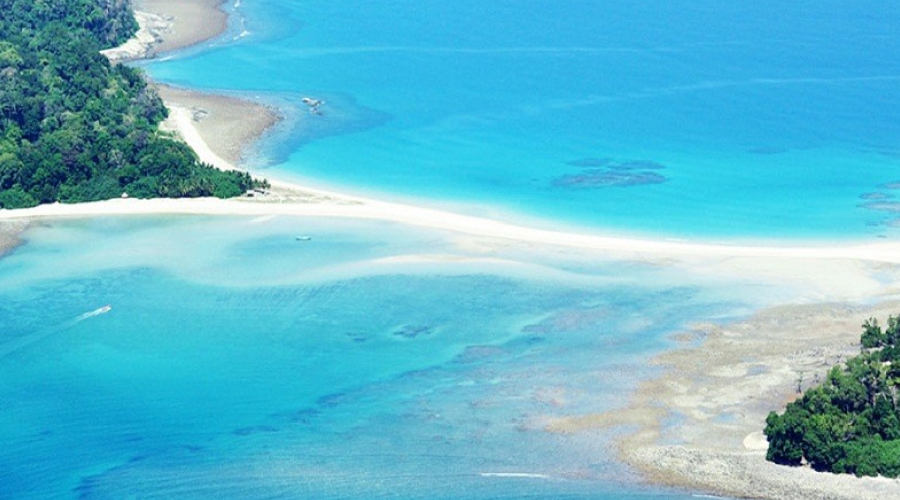
- Ross and Smith Islands: twin islands joined by a natural white sandbar you can walk across at low tide. Among the prettiest spots in the whole chain.
- Saddle Peak National Park: a forest trek to the highest point in the islands, with views back over the coast.
- Alfred Caves and mud volcanoes: limestone caves near Diglipur and another set of mud volcanoes at Shyamnagar, both far quieter than Baratang.
Going north adds days to a trip, so it suits second-time visitors or anyone with ten days or more. If you have it, take it.
Related places worth knowing before you go
- Swaraj Dweep: the official name for Havelock Island, the main tourist hub, home to Radhanagar Beach and most dive centres.
- Shaheed Dweep: the official name for Neil Island, a quieter, greener stop known for Bharatpur and Laxmanpur beaches.
- Radhanagar Beach: the west-facing Havelock beach rated Asia’s best by Time in 2004, famous for sunsets and safe swimming.
- Cellular Jail: the colonial-era prison in Port Blair, now a national memorial with an evening light-and-sound show.
- Bioluminescence: the natural blue glow of plankton in the water, seen on dark-night kayaking tours off Havelock.
- Baratang Limestone Caves: dripstone caves reached by a convoy road through the Jarawa reserve and a mangrove speedboat ride.
- Jarawa Tribal Reserve: a protected area on the road north where stopping, photography and interaction are strictly banned.
- Barren Island: India’s only active volcano, dived on liveaboard trips for certified divers.
- Makruzz: a leading private catamaran ferry operator connecting Port Blair, Havelock and Neil.
- Restricted Area Permit (RAP): the permit historically required for foreign nationals; rules have eased for main islands but should be checked before travel.
Frequently asked questions
What are the main reasons to visit Andaman?
The main reasons to visit Andaman are its white-sand beaches like Radhanagar, affordable world-class scuba diving in Havelock, night-time bioluminescence, the sobering history of the Cellular Jail, unusual sights like Baratang’s mud volcanoes, and easy ferry-based island-hopping. It suits beach lovers, divers, families and history buffs alike.
What is the best time to visit Andaman?
The best time to visit Andaman is October to May, when the sea is calm and skies stay mostly clear. December and January are peak seasons with the best visibility but the highest prices. February and March are ideal for diving. June to September brings monsoon, rough seas and limited water sports.
Do I need a permit to visit Andaman?
Indian nationals need no permit to visit the main islands of Port Blair, Havelock, Neil and Baratang. Foreign nationals should check current Restricted Area Permit rules before travel, as requirements have changed in recent years. Tribal reserves and the Nicobar group remain closed to all tourists regardless of nationality.
How do you get from Port Blair to Havelock?
You reach Havelock (Swaraj Dweep) from Port Blair by private catamaran ferry in about 90 minutes to two hours. Operators include Makruzz, Nautika and Green Ocean, with fares roughly Rs 950 to 3,100 by class. A cheaper government ferry also runs. Book private ferries online well ahead in peak season.
Is Andaman good for non-swimmers?
Yes. Non-swimmers can sea-walk along the seabed in a weighted helmet, ride glass-bottom boats over the reefs, and try guided Discovery Scuba dives with an instructor holding them. Bharatpur Beach on Neil is shallow and calm for wading. No swimming skill is needed to enjoy most of the islands’ water activities.
How many days do you need in Andaman?
Five to six days covers Port Blair, Havelock and Neil at a comfortable pace, which is the classic first-timer trip. Add two or three days for Baratang and the far north around Diglipur. A rushed three-day visit is possible but leaves little room for diving or the slower northern islands.
So, is Andaman worth it?
Yes, and here is how to make it count. If it is your first trip, give it six days: two in and around Port Blair for the Cellular Jail and North Bay, three on Havelock for the beaches and at least one dive, and one on Neil to slow right down. Go between November and March, book your ferries and Radhanagar sunset the moment your flights are confirmed, and keep one dark night free for the bioluminescence. Do that, and the flight and the ferry stop being a cost. They become the thing that keeps the islands this good.