

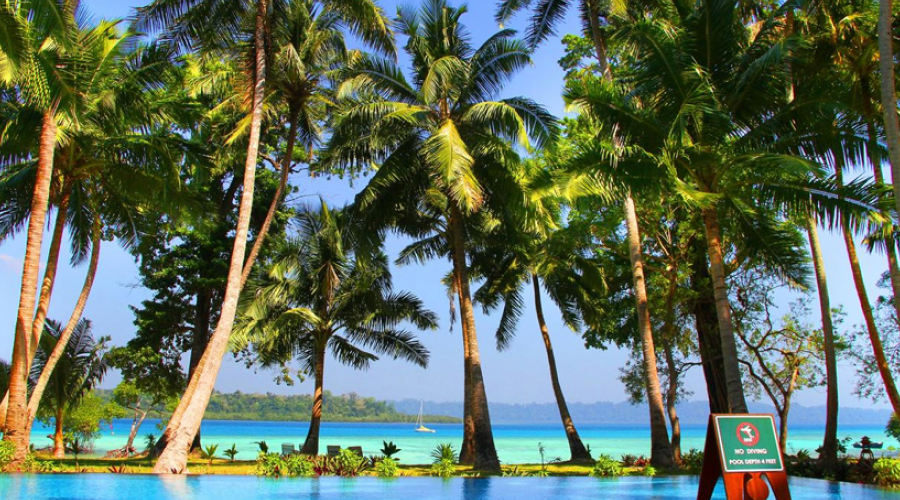
A Local’s Honest Guide to Every Beach, Dive Site and Detour
The best places to visit in Havelock Island are Radhanagar Beach (Beach No. 7), rated among Asia’s finest; Elephant Beach, the island’s snorkelling and water-sports hub; Kalapathar Beach, famous for sunrise and black volcanic rock; and Vijayanagar Beach (Beach No. 5), the calm swimming beach along the Kalapathar road. Havelock is also India’s scuba diving capital, home to dive sites like Nemo Reef, The Wall, Johnny’s Gorge and Dixon’s Pinnacle. Round it out with Govind Nagar Beach, Neil’s Cove, the Havelock Lighthouse and the mangrove creeks, and you have a full two-to-three-day itinerary. The island sits about 70 km northeast of Port Blair, reached by a ferry of roughly 1.5 to 2.5 hours.
Suggested Read: Scuba diving in Andaman and How to reach Andaman
Havelock rearranges what you think a beach can look like. The sea shifts through bands of glass green and deep sapphire, the sand at Radhanagar squeaks under bare feet, and the reefs offshore hold the best diving in the country. Come back a few times, as I have across different seasons, and the island still manages to surprise you.
Who Should Visit Havelock Island?
Havelock suits five kinds of traveller: honeymooners (Radhanagar sunsets, quiet resorts), families (calm, shallow beaches), divers (some of India’s best reefs), backpackers (cheap stays, easy ferries) and photographers (sunrise at Kalapathar, sunset at Radhanagar). Here is who gets what.
- Honeymooners and couples: Radhanagar sunsets, quiet resorts tucked into palm groves, and Neil’s Cove for a private swim. Book a sea-facing stay and you barely need to leave for the romance to land.
- Families with kids: Shallow, lifeguarded stretches at Radhanagar and Elephant Beach, glass-bottom boat rides, and sea walks that let non-swimmers meet the reef. Older kids can try a Discover Scuba session.
- Divers: This is the real reason many people come. Beginner-friendly Nemo Reef through to advanced sites like Johnny’s Gorge and Dixon’s Pinnacle, run by long-established dive schools.
- Budget backpackers and solo travellers: Beach huts from roughly a thousand rupees a night, cheap scooter rentals, and an easy, safe pace. Havelock rewards people who move slowly.
- Photographers and slow travellers: Sunrise at Kalapathar, the black rock and white sand contrast, and mangrove creeks at first light give you frames the rest of Andaman cannot.
How to Reach Havelock Island (Swaraj Dweep)
Havelock has no airport. You fly into Veer Savarkar International Airport (IXZ) in Port Blair, then take a ferry. The crossing is about 38 nautical miles (~70 km) across open sea and takes 90 minutes to 2.5 hours depending on the boat. Private catamarans are fastest and air-conditioned; the government ferry is cheapest but slower and books out first. In peak season (October–May) book seats 2–3 weeks ahead.
Ferry Comparison Table
| Operator | Crossing time | Fare range (one-way) | Notes |
| Makruzz | ~90 min | ₹1,250–₹3,150 | AC catamaran; premium tiers |
| Nautika | ~90 min | ₹1,250–₹3,400 | Newer AC vessel; tiered seating |
| ITT Majestic | ~90 min | ₹1,564–₹2,000 | AC private ferry |
| Green Ocean | 2–2.25 hr | ₹1,100–₹1,700 | Private; slightly slower |
| Govt. ferry (DSS) | ~2.5 hr | ₹400–₹900 | Cheapest; sells out early |
Fares and timings as of July 2026; private-ferry sailings and prices change seasonally, check the operator or a licensed agent before you book.
Places to Visit in Havelock Island, One by One
The main places to visit on Havelock are Radhanagar Beach (Beach No. 7), Elephant Beach, Kalapathar Beach, Neil’s Cove, Vijaynagar Beach (Beach No. 5), Govind Nagar Beach, the Havelock Lighthouse and the mangrove creeks. Below, each one with distance from the jetty, fee, and the best time to go. All arranged in a way a local would actually visit them
Radhanagar Beach (Beach No. 7)
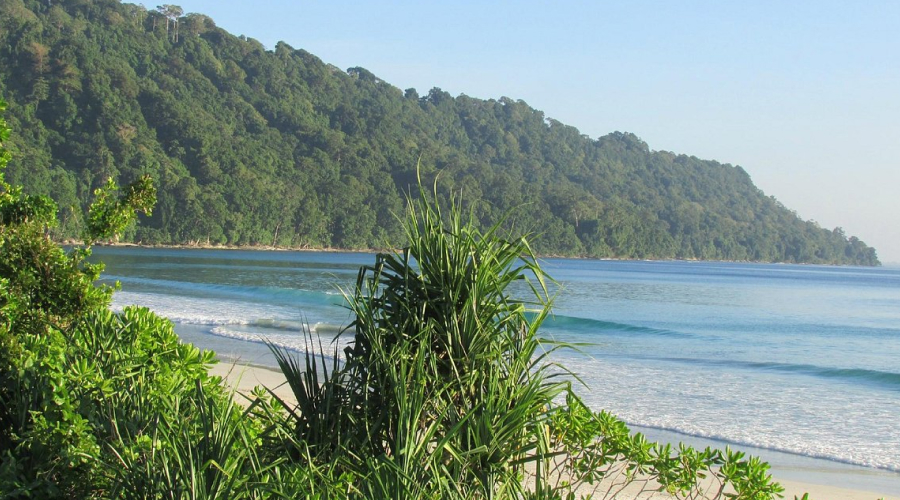
Why it is a must-visit: Radhanagar is the beach that put Havelock on the map. TIME magazine called it the best beach in Asia back in 2004, and it later earned Blue Flag certification for cleanliness and safety. The crescent of powder-white sand runs long and wide, backed by a wall of forest, and the sunset here is the one everyone stays for. It earns the hype, which is rare.
Best for: Couples, families, first-timers, and anyone who wants one perfect swim-and-sunset beach.
How to reach it: About 12 km from Havelock jetty on the west coast, roughly 20 to 25 minutes by cab, auto, rented scooter, or the local bus that runs till evening.
What you need to know:
- Timings: open sunrise to sunset, no entry fee. It closes to visitors after dark.
- Best time of day: late afternoon from about 4:30 pm for the sunset, or early morning if you want the sand almost to yourself.
- Crowds: busiest between 4 pm and 6 pm. The far-right end thins out fast if you walk five minutes.
- Facilities: changing rooms, showers, lockers and toilets are available for a small fee, plus makeshift shaded seating.
- Carry: reef-safe sunscreen, water, and a dry bag. Vendors sell coconuts and snacks but do not rely on them for a meal.
Elephant Beach
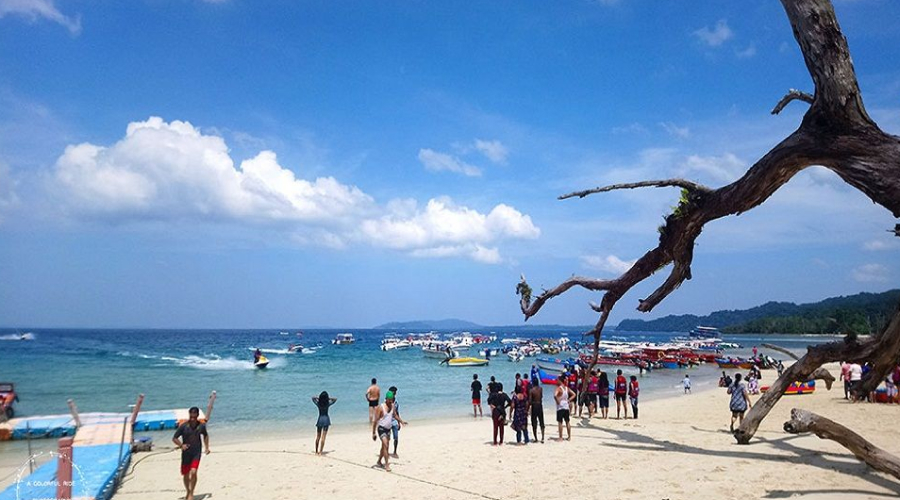
Why it is a must-visit: If Radhanagar is for lying still, Elephant Beach is where you do things. The shallow coral shelf sits close to shore, so snorkelling here is genuinely good even for people who cannot swim well. This is also the island’s water-sports base: sea walking, jet ski, banana boat, glass-bottom boat and parasailing all run from the sand.
Best for: Snorkellers, water-sports fans, families with older kids, non-swimmers who still want to see coral.
How to reach it: Two ways. A speedboat from near the jetty takes about 20 minutes and is by far the easier option. Or you trek in: a 1.8 km forest and mangrove trail that takes 60 to 90 minutes and gets muddy and slippery after rain. The trail is sometimes closed, so ask before you commit to it.
What you need to know:
- Timings: it is a day-visit beach, open through daylight hours only. Boats stop running mid-afternoon.
- Best time of day: go early. Morning light and calmer water make the snorkelling clearer, and you beat the mid-morning boat rush.
- Costs: the boat transfer and each activity are priced separately. Book a day ahead in peak season, slots sell out.
- Facilities: changing rooms, basic toilets, lifeguards, and small stalls selling water and fruit. Lockers cost a little extra.
- Carry: water shoes if you have them, the coral shelf is sharp underfoot.
Kalapathar Beach
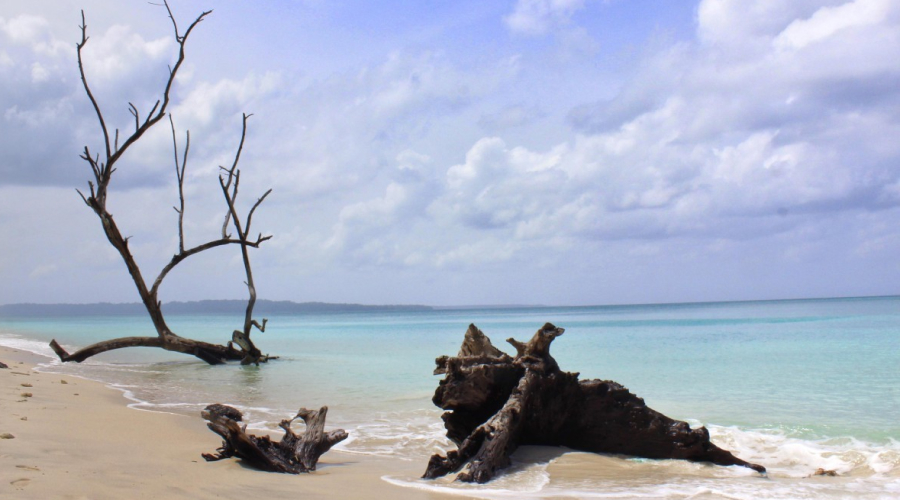
Why it is a must-visit: Kalapathar, meaning black stone, is the sunrise beach. A ribbon of white sand studded with dark volcanic rock, framed by a dense green treeline, with the road hugging the coast so the drive itself is beautiful. Fewer crowds than Radhanagar, and a completely different mood.
Best for: Early risers, photographers, couples wanting a quieter stretch.
How to reach it: About 8 km from the jetty on the east coast, 15 to 20 minutes by scooter or cab. It is the far end of the Kalapathar road, past Vijaynagar.
What you need to know:
- Best time of day: sunrise, without question. This is one of the few east-facing beaches where the light show happens in the morning.
- Swimming: fine, but watch for sharp rocks and coral near the water’s edge. It is not a run-and-dive beach.
- Crowds: light in the early morning, moderate by midday. Walk south for near-total seclusion.
- Facilities: public toilets but no changing rooms. Wooden loungers and space to sling a hammock between trees.
- Carry: everything you need, there are no proper stalls right on the sand.
Vijaynagar Beach (Beach No. 5)
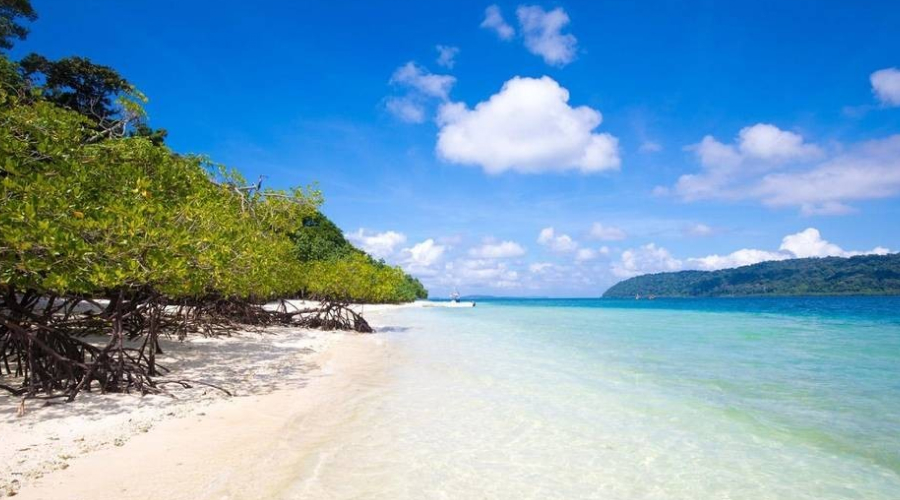
Why it is a must-visit: Vijaynagar Beach (Beach No. 5) is a long, quiet, tree-lined strip on the east coast, about 9 km from the jetty, the calm, uncrowded alternative to Radhanagar. Most day-trippers drive straight past it, which is exactly its appeal. Sapphire shallows, soft sand, and a long line of coconut and mahua trees leaning over the shore. Many of the island’s mid-range and beach resorts sit along this stretch, so it doubles as the everyday swimming beach for people staying nearby.
Best for: Long slow swims, sunbathing, readers, couples and families who want calm over action.
How to reach it: About 9 km from the jetty, 15 to 20 minutes, on the same road as Kalapathar and roughly 1.1 km before it. Easy to combine the two in one trip.
What you need to know:
- Water sports: none here, and that is the point. It is a swimming and lounging beach.
- Swimming: pleasant, but mind the coral. Water shoes help.
- Best time of day: morning and early evening for soft light through the palms.
- Facilities: public toilets, no changing rooms, no snack stalls. Bring water and food.
Govind Nagar Beach
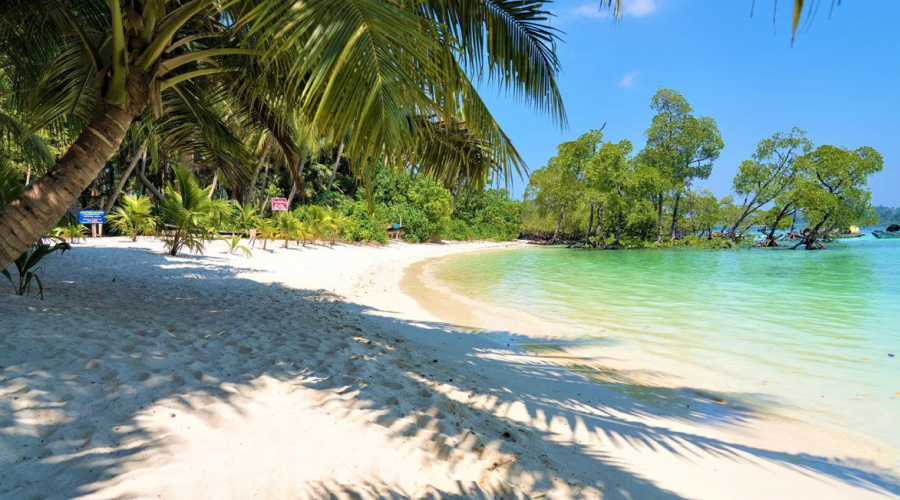
Why it is a must-visit: Govind Nagar is the beach nearest the jetty and the market, which makes it the most convenient stretch on the island and the main base for shore diving. The Nemo Reef dive and snorkel site sits just off it. If you are here for the diving, you will spend real time on this coast.
Best for: Divers, first-day arrivals, anyone wanting a beach walk without a long drive.
How to reach it: Only 2 to 3 km from the jetty, five to ten minutes. Many resorts here are walkable to the sand.
What you need to know:
- Best time of day: sunset is quiet and pretty, and dive boats head out from here in the early morning.
- Facilities: this is the most serviced part of the island, with resorts, cafes and dive centres along the shore.
- Good to know: it is a working beach, not a postcard one. Come for access and marine life, not empty sand.
Neil’s Cove
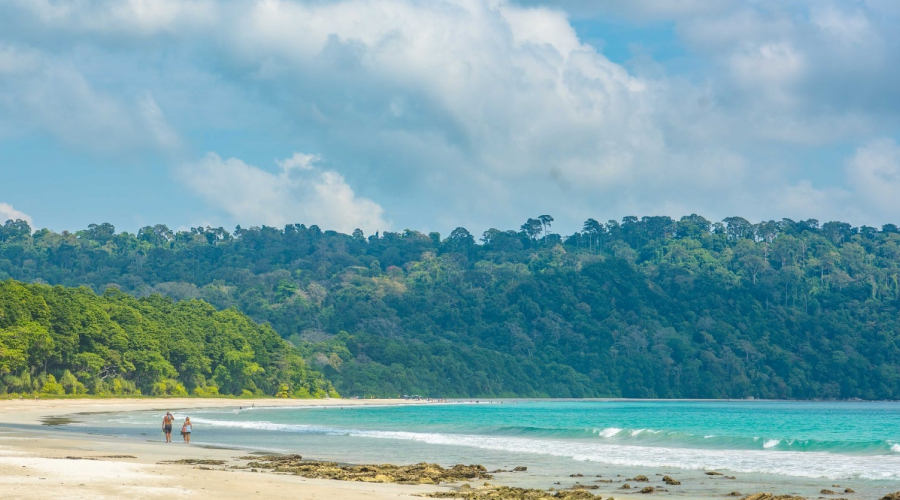
Why it is a must-visit: Tucked just past the end of Radhanagar, Neil’s Cove is a small, sheltered inlet with clear water, a freshwater stream, and coral close in. It is calmer than the main beach and one of the better spots for a quiet snorkel. Note that access can be restricted around dusk because of the local crocodile advisory, so treat signboards seriously.
Best for: Snorkellers, couples, anyone chasing a quieter corner near Radhanagar.
How to reach it: A 10-to-15-minute walk from Radhanagar Beach along the shore path. There is no separate drive.
What you need to know:
- Timings: visit in daylight and heed the closure advisory near sunset.
- Facilities: none of its own, use Radhanagar before you walk over.
- Carry: your own snorkel gear and water.
Havelock Lighthouse
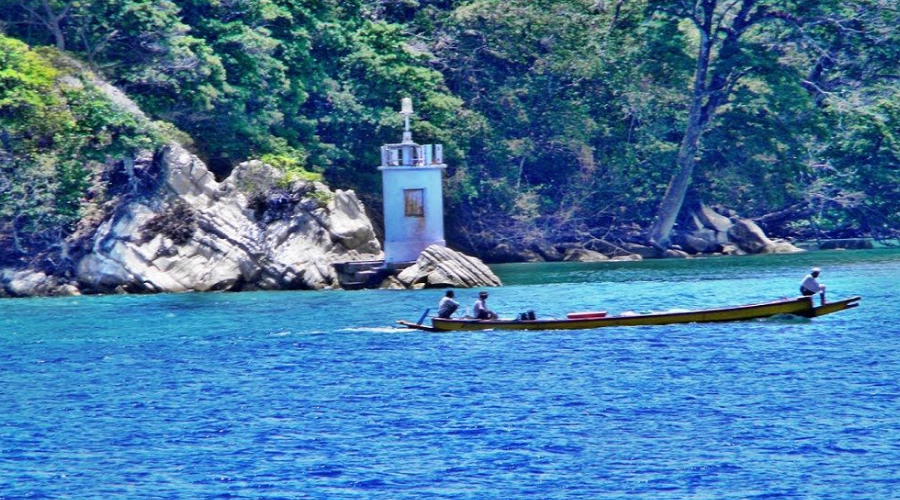
Why it is a must-visit: The Havelock Lighthouse sits on the Govind Nagar side of the island, a short scooter ride from the jetty, and makes a quiet late-afternoon stop for views and cooler air. Most itineraries skip it, so it is rarely crowded. Pair it with the island’s small WWII-era Japanese bunkers if history interests you, a reminder that these islands were occupied during the war.
Best for: Curious travellers, history buffs, anyone who likes a viewpoint over a crowd.
How to reach it: Near the Govind Nagar side of the island, a short scooter ride from the jetty. Ask locally for current access, opening hours can be informal.
What you need to know:
- Best time of day: late afternoon for the light and cooler air.
- Good to know: this is a short add-on, not a half-day outing. Combine it with a nearby beach.
The Mangrove Creeks
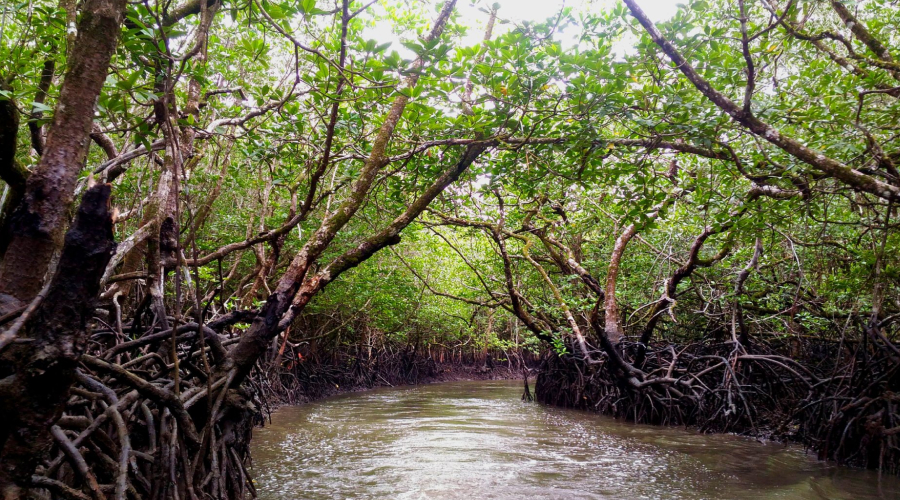
Why it is a must-visit: The mangrove creeks on Havelock’s sheltered north and east are a guided-kayak destination. Its calm water, birdlife, and bioluminescence on dark, moonless nights. Tours launch from points near the jetty; this is the quiet, green side of the island most visitors skip.
Best for: Kayakers, nature lovers, couples, photographers, and anyone wanting something beyond the beach.
How to reach it: Guided kayaking tours launch from points near the jetty and the north of the island. You go with an operator, not on your own.
What you need to know:
- Best time: night kayaking for bioluminescence depends on the moon cycle, darker nights are better, and it needs advance booking with limited slots.
- Carry: insect repellent is essential near the mangroves, especially at dusk.
- Good to know: even a daytime mangrove paddle is worth it if the night tours are full.
The Scuba Diving Sites (Havelock’s Real Headline Act)
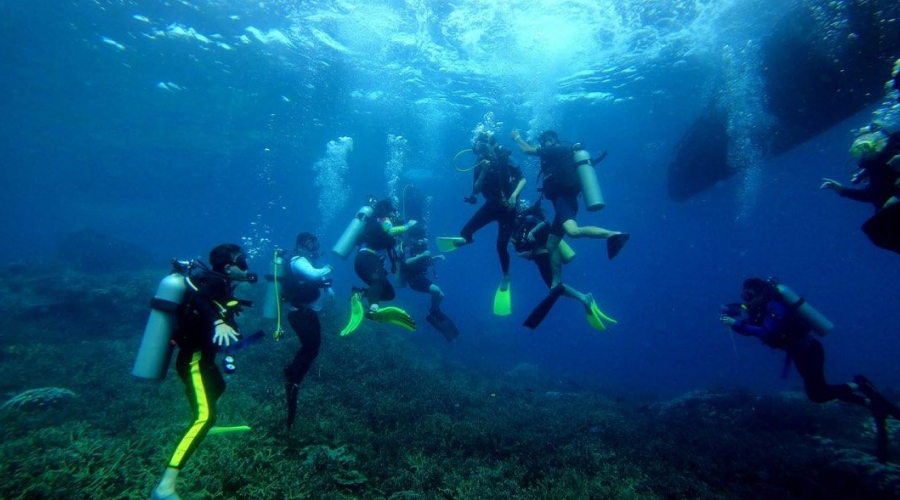
Havelock is the scuba diving capital of India, and its dive sites deserve to be treated as places to visit in Havelock Island in their own right, not a footnote. The reefs range from bathtub-calm shallows perfect for a first dive to deep pinnacles that seasoned divers fly across the country for. Long-running dive schools such as Barefoot Scuba, Dive India, Lacadives and Ocean School operate here with experienced instructors who know these waters season to season.
Best for: Complete beginners through to advanced certified divers. There is a site for every level.
How to reach them: Almost all dives run by boat from the Govind Nagar and jetty area. Shore dives and training happen at Nemo Reef. A single dive typically runs about 60 minutes underwater.
What you need to know:
- Season: diving runs year-round but visibility is best from roughly November to April. Post-monsoon water can be clearest.
- Cost: as of recent seasons, a single dive runs roughly 3,000 to 8,000 rupees, and an Open Water certification course roughly 28,000 to 36,000 rupees. Prices vary by school and season, so confirm directly.
- Book ahead: the best instructors and morning slots get reserved fast in peak season.
- Carry: quick-dry clothes and a towel, and skip the heavy meal right before a dive.
See the dive-site table further down for a breakdown by experience level.
Worthwhile Day Trips: Neil Island, Long Island and Barren Island
Neil Island (Shaheed Dweep): About a 45-minute ferry from Havelock and the easiest add-on. Slower and greener than Havelock, with Bharatpur, Laxmanpur and Sitapur beaches and a natural rock bridge. Best for a relaxed day trip, though an overnight is better if you can.
Long Island: A properly offbeat detour of mangrove creeks, dolphins and near-silence, with few tourist comforts. Worth a day for travellers who want the quiet Andaman that Havelock used to be.
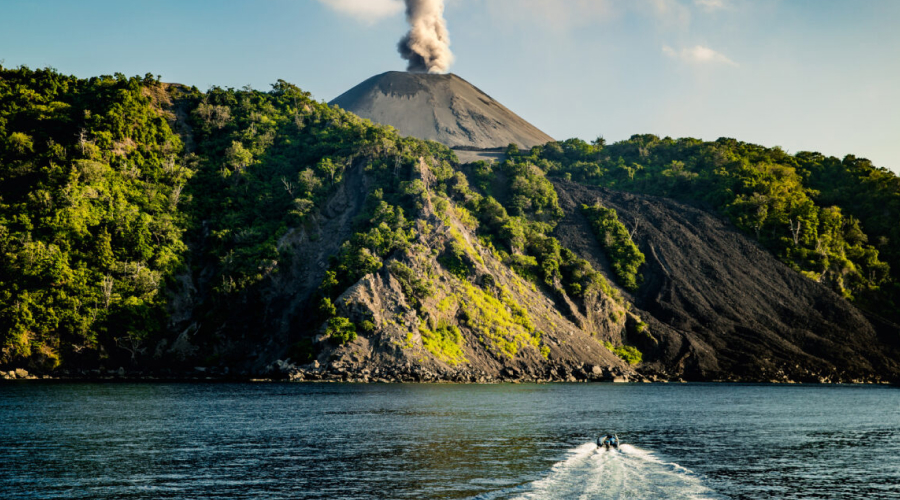
Barren Island: India’s only active volcano, reachable only by permitted charter or shared dive boat, roughly 2.5 hours one way from Havelock. You cannot land, but cruising past the ash-streaked cone is unforgettable. Highly weather-dependent, so keep a buffer day.
South Button Island: South Button is the smallest island in Ritchie’s Archipelago and part of Rani Jhansi Marine National Park which is a protected snorkelling and diving spot reached by a longer boat charter (roughly 2 hours each way). Expect a forest permit and a small park entry fee of ₹50 per person. It is a half-to-full-day trip for confident swimmers, not a casual beach stop.
Sir William Peel, Henry Lawrence & Inglis Islands: These uninhabited Ritchie’s Archipelago islands are reached only by private charter and are for travellers chasing empty beaches, snorkelling and sunrise/sunset photography rather than facilities — there are none. Trips are full-day, weather-dependent, and need permits arranged in advance.
Havelock Places at a Glance
One table to compare the main places to visit in Havelock Island, so you can slot them into a two- or three-day plan.
| Place | Best for | How to reach (from jetty) | Time needed | Entry cost |
| Radhanagar Beach | Sunset, swimming, couples | 12 km, 20-25 min by cab/scooter/bus | Half day | Free (paid changing rooms) |
| Elephant Beach | Snorkelling, water sports | 20 min speedboat, or 1.8 km trek | Half day | Boat + activities paid |
| Kalapathar Beach | Sunrise, photography | 8 km, 15-20 min | 1-2 hours | Free |
| Vijaynagar Beach | Calm swims, lounging | 9 km, 15-20 min | 1-2 hours | Free |
| Govind Nagar Beach | Diving base, easy access | 2-3 km, 5-10 min | 1 hour | Free |
| Neil’s Cove | Quiet snorkel | 10-15 min walk from Radhanagar | 1-2 hours | Free |
| Havelock Lighthouse | Views, history add-on | Short scooter ride | 30-60 min | Nominal, if any |
| Mangrove Creeks | Kayaking, bioluminescence | Guided tour from jetty area | 2-3 hours | Tour priced |
| Dive sites | Scuba, all levels | Boat from Govind Nagar/jetty | Half day | ~3,000-8,000/dive |
| Neil Island | Day trip | 45 min ferry | Full day | Ferry priced |
Note: Distances and times are approximate and prices vary by season and operator. Treat them as planning guides, not fixed quotes.
Dive Sites by Experience Level
If you plan to dive, pick your site by your certification and comfort in the water, not by name recognition.
| Dive site | Level | What makes it special |
| Nemo Reef | Beginner | Shallow, pool-calm, clear year-round. The classic first dive and training site, full of clownfish and parrotfish. |
| The Aquarium | Beginner | Shallow reef packed with fish life. Great for new divers and try-dives. |
| Lighthouse | Beginner to intermediate | Easy night-dive favourite close to shore, sloping reef with lobsters and rays after dark. |
| The Wall | Intermediate | A dramatic reef wall dropping into the blue, soft corals and gorgonians. |
| Barracuda City | Intermediate | Named for its schooling barracuda, plenty of reef fish and turtles. |
| Johnny’s Gorge | Advanced | A signature Andaman dive, schooling fish, rays and reef sharks over a rich bank. |
| Dixon’s Pinnacle | Advanced | Deep submerged pinnacles for experienced divers, big schools and pelagic action. |
Adventure Activities on Havelock Island
Beyond the beaches, this is what fills a Havelock day. Each line notes where it happens and who it suits.
- Scuba diving: Boat dives from Govind Nagar and shore dives at Nemo Reef. For everyone from nervous first-timers to advanced divers.
- Snorkelling: Elephant Beach and Nemo Reef. Best for families and non-swimmers who want the reef without the training.
- Sea walking: Off Elephant Beach, you walk the seabed in a helmet. For non-swimmers and the reef-curious who do not want to dive.
- Mangrove and night kayaking: Guided paddles through the creeks, with bioluminescence on dark nights. For couples, nature lovers and photographers.
- Jet ski, banana boat and parasailing: All at Elephant Beach. For thrill-seekers and groups.
- Glass-bottom boat: A dry way to see coral, from Elephant Beach. Ideal for young kids and grandparents.
- Game fishing and charter cruises: Half and full-day boat trips. For groups and anglers with a bigger budget.
- Jungle trekking: The Elephant Beach Forest trail is the main one. For reasonably fit walkers who do not mind mud.
Where to Eat on Havelock Island
Havelock’s food scene clusters around Beach No. 3 (Govind Nagar) and the market, with a few standout beach cafés. Most kitchens run on island time and cash, and menus lean toward fresh seafood, wood-fired pizza and Indian staples. A short, honest shortlist:
• Full Moon Café: Beach No. 5 side; long-running, seafood and wood-fired pizza, relaxed evening crowd.
• Something Different: Beach No. 2; multi-cuisine with strong vegetarian and vegan options, live-music evenings.
• Anju-Coco / Coco Anju: Near the market; reliable breakfasts and coffee, decent Wi-Fi for a quick catch-up.
• Garden Café: Govind Nagar; Italian and Indian, good vegetarian spread, no alcohol.
Vegetarians are well served everywhere; pure-veg travellers should still say “no onion no garlic” explicitly if that matters. Carry cash because card machines fail when the network drops.
General Guidelines for Exploring Havelock
Getting around
Local transport is thinner than Port Blair’s, so plan your own wheels. A rented scooter is the sweet spot at roughly 400 to 600 rupees a day and gives you total freedom, the island’s roads are simple and the main sights line up along a couple of routes. Private cabs and jeeps work for families, and cycles suit short hops near Govind Nagar. Fuel up in the market area, pumps are limited.
Best season, with the honest trade-offs
October to May is the peak window: dry, calm seas, and the best diving visibility, but also the highest prices and the busiest beaches, especially over Christmas, New Year and long weekends. November and February are the sweet spots for weather without the absolute peak crush. June to September is monsoon: cheaper stays and empty beaches, but rough crossings, patchy activity schedules, and the risk of cancelled ferries. If diving is your priority, aim for the post-monsoon months when the water clears.
Connectivity
Set expectations low and you will not be annoyed. BSNL and Airtel work reasonably near the market and jetty, weaker on the far beaches. Call signal is usually fine, mobile data is slow and unreliable, and hotel or cafe Wi-Fi is rarely fast enough for real remote work. Download offline maps, tickets and anything you need before you cross from Port Blair.
Cash and ATMs, the part people get wrong
Carry cash. Havelock has only a handful of ATMs and they run out of money or go offline regularly, particularly on weekends and in peak season. Card acceptance is spotty outside larger resorts, and UPI depends on the same shaky network. Withdraw what you will need while you are still in Port Blair, and keep a buffer. Nothing derails an island day faster than a dead ATM and a driver who only takes cash.
Food, including vegetarian
Seafood is the obvious star, grilled fish, prawns and crab at beach cafes near Govind Nagar and Vijaynagar. Vegetarians are well looked after too: most cafes and resort kitchens run solid North and South Indian veg menus, and staples like paneer, dal, thali plates, dosa and fresh fruit are easy to find. Pure-veg and Jain requests are usually no problem if you ask ahead. What is genuinely limited is late-night dining, so eat before things wind down around 9:30 to 10 pm.
The Havelock Day Plan Locals Actually Use
The efficient Havelock day runs east-to-west with the sun: sunrise at Kalapathar, mid-morning snorkelling at Elephant Beach, a midday rest through the heat, then Radhanagar for sunset around 4:30 pm. Most itineraries do it backwards and miss both the light and the tides. Here is the plan that works.
Start at Kalapathar for sunrise. This is the single most underused window on the island. Kalapathar and Vijaynagar face east, so the light show happens in the morning, and at 5:30 to 6:00 am you will share that black rock and gold water with maybe a handful of people instead of a hundred. Drive the coast road while it is empty. By 7:30 am you have already had the best light of the day.
Do Elephant Beach next, mid-morning, and go by the early boat. The snorkelling is clearest before the wind picks up and churns the shallows, and the water-sports queues are shortest right after the first transfer to the island. Push it to the afternoon and you get choppier water, longer waits, and boats that stop running while you are still deciding. Tide matters here: a higher tide floats you comfortably over the coral shelf, a very low tide leaves it shallow and sharp, so check the day’s tide chart, which any dive shop or resort desk will show you.
Keep the middle of the day for a long lunch and shade, not for a marquee beach. Between roughly noon and 3 pm the light is flat, the heat is real, and the crowds at Radhanagar peak. This is when the veg thali and a grilled fish taste best under a palm, and when a nap is a legitimate strategy. Save your energy.
Then Radhanagar for the back half of the afternoon into sunset. Arrive by 4:30 pm, walk to the far right end away from the entrance, and you get the famous Havelock sunset with room to breathe. Time it wrong, roll in at 5:45 pm, and you are parking far out and threading through the thickest crowd of the day.
The two experiences that break this daytime template are both worth reorganising around. Night kayaking through the mangroves for bioluminescence depends on the moon, so plan it for the darkest night of your stay and book a couple of days ahead, because the slots are few. And your morning dive should be exactly that, a morning dive, when the sea is calmest and visibility is best. A local operator will slot these into your days without you having to think about it, which is the quiet advantage of booking on the ground rather than from the mainland. Follow this clock and you will see more of Havelock in two days than most people manage in four.
Do’s and Don’ts on Havelock Island
Do
- Carry enough cash from Port Blair to cover your whole Havelock stay.
- Book ferries, dives and Elephant Beach activities at least a day ahead in peak season.
- Start early. Sunrise at Kalapathar and morning at Elephant Beach are worth the alarm.
- Wear reef-safe sunscreen and water shoes, and respect the coral, it is fragile and protected.
- Heed local advisories, including the crocodile signboards near Neil’s Cove at dusk.
Don’t
- Do not count on ATMs, card machines or fast internet working when you need them.
- Do not swim after dark or in unmonitored, unlit water, many stretches have no lifeguard.
- Do not litter or touch coral and marine life. Take your plastic back with you.
- Do not leave Radhanagar for the last ferry-day morning, you will feel rushed. Give it a full evening.
- Do not attempt the Elephant Beach trek after heavy rain without checking that it is open.
Havelock is Now Swaraj Dweep
You will see both names everywhere, so it helps to know the story. On 30 December 2018, the Government of India renamed three islands in the Andamans to honour the freedom struggle. Havelock became Swaraj Dweep, neighbouring Neil Island became Shaheed Dweep, and Ross Island near Port Blair became Netaji Subhas Chandra Bose Dweep. The date was deliberate: it marked 75 years since Netaji hoisted the Indian flag on these islands in 1943.
The old name came from Sir Henry Havelock, a British general of the colonial era, which is precisely why it was changed. Locals, ferry boards and official signage now use Swaraj Dweep, while most travel sites and travellers still say Havelock out of habit. Both point to the same island, part of Ritchie’s Archipelago, roughly 70 km from Port Blair. There is quiet history in the landscape too, including small Japanese bunkers left from the Second World War, when Japanese forces occupied the Andamans. It is a good reminder that these calm beaches sit on islands with a heavier past than the postcards suggest.
Planning Your Havelock Trip with andamantourism.org
Most of what goes wrong on a Havelock trip is logistics, not the island: a ferry booked on the wrong day, an ATM that has run dry, a dive slot that filled up, a trek trail that was closed after rain. This is where booking through a local, Andaman-based operator earns its keep. andamantourism.org is on the ground here, with real relationships with island hotels, dive schools and activity providers, and first-hand knowledge of routes, ferry timings, permit formalities and how the seasons actually behave from month to month. That is the kind of detail a mainland travel desk simply does not carry. If you want your days sequenced sensibly and your bookings held before they sell out, that local familiarity is worth far more than a slightly cheaper package put together from a thousand kilometres away. Click on Andaman Tour Packages page to book an Andaman trip with Havelock.
Havelock Island FAQ
Which is the best beach in Havelock Island?
Radhanagar Beach (Beach No. 7) is the standout, rated among the best beaches in Asia by TIME and Blue Flag certified, famous for its white sand and sunset. For a quieter alternative, Kalapathar wins at sunrise and Vijaynagar for a calm swim.
How many days do you need for Havelock Island?
Two to three days is the sweet spot. Two days covers Radhanagar, Elephant Beach, Kalapathar and a dive or snorkel. A third day lets you add mangrove kayaking, Govind Nagar and a Neil Island Day trip without rushing.
Is Elephant Beach reachable by road or only by boat?
Both. The easy way is a 20-minute speedboat from near the jetty. The alternative is a 1.8 km forest and mangrove trek of 60 to 90 minutes, which can be muddy and is sometimes closed, so confirm before you set out.
Do you need a permit to visit Havelock Island?
Indian nationals do not need a permit for Havelock, just a government photo ID. Foreign nationals need a passport and, for some areas, a Restricted Area Permit, which is generally issued on arrival. Rules can change, so check before travel.
Is Havelock good for non-swimmers and families?
Yes. Elephant Beach has shallow, lifeguarded water, plus sea walking and glass-bottom boats that let non-swimmers see the reef. Radhanagar is calm and family-friendly, and older kids can try a beginner scuba session.
Are there vegetarian food options in Havelock?
Plenty. Most cafes and resorts serve North and South Indian vegetarian menus with paneer, dal, thali, dosa and fresh fruit, and pure-veg or Jain meals are usually available on request. Just eat before kitchens close around 9:30 to 10 pm.
What is the best time to visit Havelock Island?
October to May for calm seas and clear diving, with November and February offering good weather just off the absolute peak. June to September is cheaper and quieter but brings monsoon seas and possible ferry cancellations.
Can you visit Havelock and Neil Island in one trip?
Easily. Neil Island (Shaheed Dweep) is about a 45-minute ferry from Havelock and works as a day trip, though an overnight is better if your schedule allows it. Book the inter-island ferry ahead in peak season.
Q. How do I get from Port Blair to Havelock?
You take a ferry as there is no airport on Havelock. Private AC ferries (Makruzz, Nautika, ITT Majestic) take about 90 minutes; the government ferry takes ~2.5 hours but costs less. Book 2–3 weeks ahead in peak season (Oct–May).
Q. Which is better for sunrise vs sunset in Havelock?
Kalapathar Beach on the east coast is the sunrise beach; Radhanagar Beach on the west coast is the sunset beach. If you only have one dawn and one dusk, do Kalapathar early and Radhanagar from about 4:30 pm.
Q. Radhanagar or Elephant Beach — which should I pick?
Pick Radhanagar for swimming, soft sand and sunsets; pick Elephant Beach for snorkelling and water sports. Radhanagar is a 20–25 min drive; Elephant Beach is a 20-min speedboat or a 1.8 km (60–90 min) trek. With one day, do both, Elephant in the morning, Radhanagar for sunset.
Q. Are there ATMs on Havelock, and is card payment reliable?
There are a few ATMs near the market and jetty, but they run out of cash and the network drops often, so card and UPI payments fail regularly. Carry enough cash for your whole stay, drawn in Port Blair.