

Choose Andaman for beaches, clear water, coral reefs and scuba diving, with more seclusion but higher cost and flight-only access. Choose Kerala for backwaters, hill stations, Ayurveda and better value, reachable by train, road or air. Andaman is the sea trip; Kerala is the variety trip.
Suggested Read: How to reach Andaman and Sea walk in Andaman
Andaman vs Kerala at a glance
Here is the whole comparison in one view. Read down the column that matches what you want from the holiday, then dig into the sections below for the detail behind each row.
| Factor | Andaman | Kerala |
| Best for | Beaches, coral reefs, scuba diving, seclusion | Backwaters, hill stations, Ayurveda, variety |
| Typical cost (couple, 5N/6D, land only) | Rs 40,000 to 55,000 on a budget | Rs 25,000 to 35,000 on a budget |
| How to reach | By air only to Port Blair (IXZ); usually via Chennai, Kolkata or Bengaluru | 3 airports plus direct trains and roads across India |
| Best season | October to mid-May (peak Nov to Feb) | October to March; June to Sept for lush monsoon and Ayurveda |
| Monsoon (Jun to Sep) | Rough seas, ferry cancellations, water sports shut | Lush, green, houseboats and Ayurveda run normally |
| Permit | None for Indians (photo ID only); foreigners register on arrival | None |
| Scuba and snorkelling | Excellent; Havelock and Neil, 15m+ visibility | Limited; no reef diving |
| Ideal trip length | 5 to 7 nights | 6 to 8 nights |
| Getting around | Flights plus inter-island ferries | Trains, taxis, houseboats, self-drive |
Budget bands are typical land-package costs for a couple over five nights and six days and exclude flights. Your final figure moves with season, hotel category and how much flying or ferrying the itinerary needs.
Andaman or Kerala: which should you pick?
Pick Andaman if the sea is the point of the trip: secluded beaches, coral reefs, warm clear water and diving off Havelock and Neil. Pick Kerala if you want range in a single trip, backwaters one day and tea hills the next, plus Ayurveda and an easier journey that needs no flight. Both are beautiful. They simply reward different kinds of travellers.
Travellers choose Andaman because of the pristine, secluded beaches with clear waters and absorbing marine life, the scope for water activities such as snorkelling and scuba diving, and a quieter, less commercialised atmosphere for a tranquil island escape. Kerala, on the other hand, is preferred for its lush greenery, backwaters and serene houseboat experiences, alongside a rich cultural heritage of traditional art forms, Ayurvedic treatments and diverse religious influences. Kerala gives you range in one trip, from beaches to hill stations, wildlife sanctuaries and cultural immersion.
Andaman vs Kerala: which is better for your kind of trip
Comparison really means “which is better for me.” Here is the honest mapping by traveller type.
- Scuba divers and snorkellers: Andaman. Warm, clear water, live coral and dive schools for beginners and certified divers alike.
- Honeymooners: Split decision. Andaman for a pure beach honeymoon with privacy; Kerala for backwater houseboats, Munnar and spa days on a smaller budget.
- Families with young kids or older parents: Kerala, usually. Shorter travel legs, no ferry days, more hotel choice and easy food for fussy eaters and elderly parents.
- Budget travellers: Kerala. Trains, buses and a wider hotel range keep costs down; Andaman is flight-only, which sets a higher floor.
- First-timers wanting an international beach feel inside India: Andaman. It delivers the overseas-island look, turquoise water and white sand, without a passport or foreign currency.
- Monsoon travellers (June to September): Kerala. Its backwaters and hills are at their best in the rains, and the Ayurveda season begins, while Andaman’s seas turn rough.
1. Beaches and Island Life
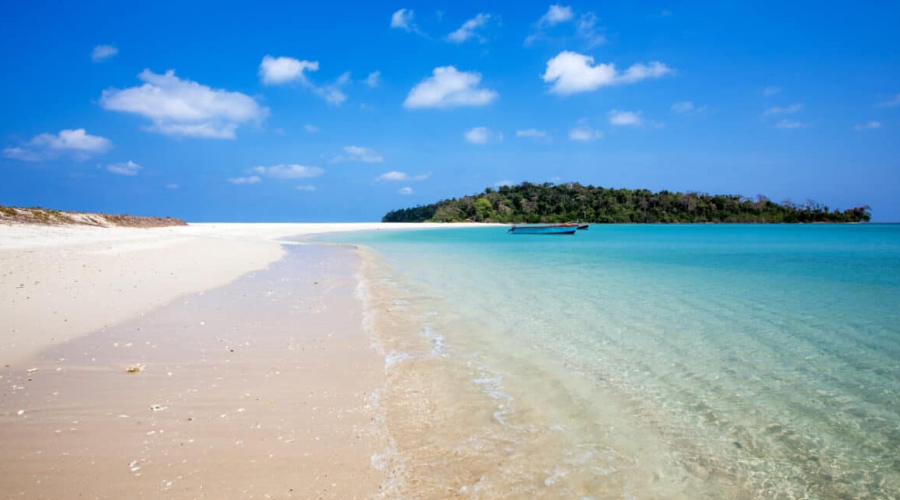
For beaches, Andaman wins outright; for waterside scenery with a cultural backdrop, Kerala answers with its backwaters. Andaman offers beautiful, pristine, secluded sandy beaches with crystal-clear waters and diverse marine life. It is ideal for those seeking a tranquil island getaway away from crowded tourist spots.
Among its beaches, a few deserve special mention. Radhanagar Beach in Havelock Island is famed as one of Asia’s best, known for white sands, clear turquoise water and fine sunsets, and it is ideal for swimming, sunbathing and long walks along the shore. Elephant Beach, also in Havelock, is known for snorkelling and scuba diving, with coral reefs teeming with marine life and superb underwater visibility. Bharatpur Beach on Neil Island has relatively shallow water that makes it excellent for swimming and snorkelling, while Laxmanpur Beach on Neil is known for the rock formations revealed at low tide and for its sunset views. Long Island offers a more secluded, less crowded experience with kayaking nearby, and Ross and Smith Islands, joined by a natural sandbar, are a treat for nature lovers.
Kerala might sound less exotic beside the islands, but it is famed worldwide for its backwaters, green landscapes and houseboat cruises, and being part of the mainland makes supplies and variety easy to come by. The backwaters are a network of canals, rivers, lakes and lagoons. Alleppey, often called the Venice of the East, is renowned for houseboat journeys through canals lined with coconut trees and villages. Kumarakom, near Vembanad Lake, adds a bird sanctuary and a tranquil setting. Kuttanad, the Rice Bowl of Kerala, offers scenic views across paddy fields that sit below sea level, and Vembanad Lake, the state’s largest, hosts the famous Nehru Trophy Boat Race.
2. Hill Stations and Wildlife
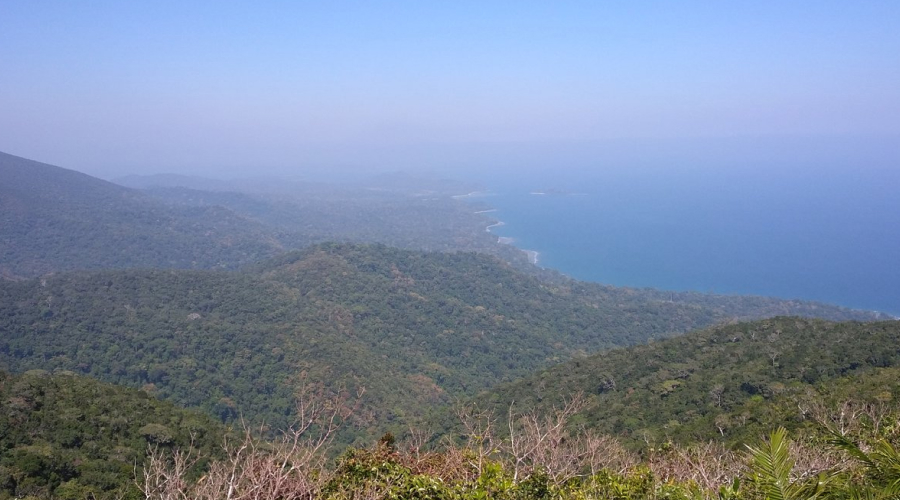
Kerala is the clear winner for hill stations and wildlife; Andaman offers viewpoints and treks, not true hill country. Andaman has a few elevated areas and viewpoints that give panoramic views and slightly cooler air than the coast, though they are not hill stations in the traditional sense.
Mount Harriet, the highest peak near Port Blair, offers trekking trails and viewpoints over the archipelago. Chidiya Tapu, though not a hill station, is a fine spot for sunsets, birdlife and a quiet setting. Saddle Peak, the highest point in the Andaman and Nicobar Islands on North Andaman, rewards trekkers with views over surrounding forests.
Kerala answers with tea, coffee and spice plantations rolling over green hills, and hill stations like Munnar and Thekkady sitting alongside idyllic fishing villages. Munnar is famous for sprawling tea plantations, misty valleys and pleasant weather, with Eravikulam National Park and Anamudi Peak, the highest in South India. Wayanad brings dense forests, Chembra Peak, Edakkal Caves and wildlife sanctuaries. Vagamon offers meadows and pine forests with paragliding and trekking, while Thekkady is known for Periyar National Park and Tiger Reserve, with boat safaris on Periyar Lake and spice-plantation walks. Ponmudi and Idukki round out the choices with winding roads, tea estates and mountain scenery.
3. Ayurvedic Centre

Kerala is India’s Ayurveda capital; Andaman offers wellness at resorts, not a deep tradition. Andaman is not traditionally known as an Ayurvedic centre. In recent years some resorts and wellness centres have begun offering Ayurvedic massages, therapies and packages for tourists, but the islands lack the historical legacy and infrastructure found in Kerala.
Kerala has a long and rich heritage in Ayurveda, with a place in ancient texts and centuries of continuous practice. The state has dedicated Ayurvedic centres, resorts and hospitals, and cities like Kochi, Thiruvananthapuram and Kozhikode host renowned wellness centres with qualified practitioners. Treatments include Panchakarma detoxification, herbal massages, rejuvenation therapies and dietary guidance, supported by the region’s abundant medicinal plants and herbs. These retreats draw visitors from around the world for holistic healing, and they are the backbone of Kerala’s Ayurveda-focused medical tourism.
4. Water Activities
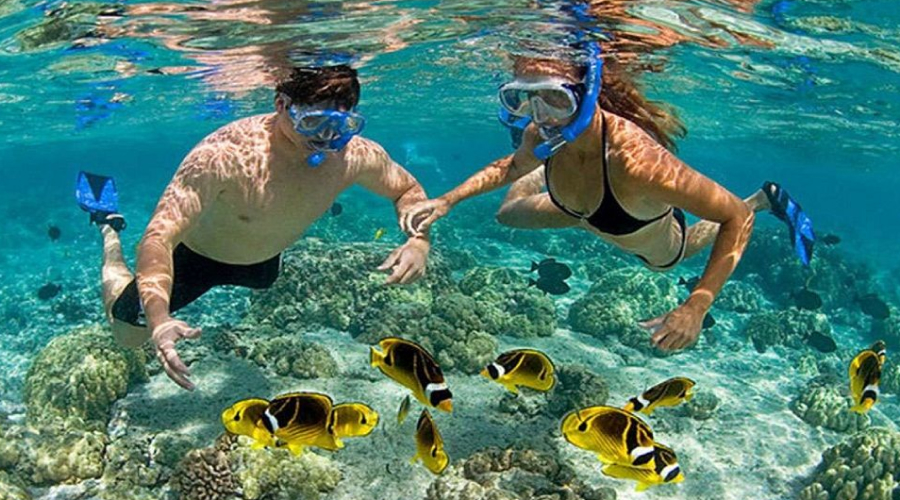
For adrenaline in the water and reef diving, Andaman leads; for calm backwater cruising, Kerala is unmatched. The Andaman Sea is known for excellent snorkelling, scuba diving and other water sports thanks to its vibrant coral reefs and marine biodiversity.
Popular snorkelling and diving spots include Havelock, Neil and North Bay Island, where you can snorkel, sea walk or dive among coral reefs and colourful marine life. Beyond diving, the islands offer jet skiing, kayaking along coasts, mangroves and hidden coves, banana boat and glass-bottom boat rides, underwater scooter rides that need no diving skill, plus windsurfing and fishing trips.
Kerala’s water experiences are calmer and more scenic. Houseboat cruises in Alleppey and Kumarakom let you soak up the tranquillity and local life along the waterways, and stand-up paddleboarding, canoeing and kayaking take you through narrow canals and backwaters. For a thrill there is white-water rafting on the Periyar near Thekkady, while Kovalam and Varkala add jet skiing, snorkelling, scuba and parasailing along the coast, and Kochi offers catamaran sailing and guided fishing trips.
5. Commercialisation and Seclusion
Andaman feels more untouched and secluded; Kerala is more developed and more culturally varied. Compared to Kerala, Andaman is less developed commercially, which gives it a more serene, back-to-nature feel that suits travellers chasing solitude and quiet.
Kerala carries a rich cultural heritage of traditional art forms, Ayurvedic treatments and diverse religious influences. Neither destination is objectively better than the other. Andaman is built around a secluded island vibe with the focus firmly on beaches and water; Kerala spreads across cultural richness, backwaters, hill stations, food and Ayurvedic healing. The right pick comes down to what you want from the trip.
How to reach Andaman and Kerala
This is where the two trips differ most, and it shapes both budget and pace.
- Andaman: You reach the islands only by air, landing at Veer Savarkar International Airport in Port Blair (airport code IXZ, in the city now named Sri Vijaya Puram). Direct flights run from Chennai and Kolkata in roughly 2 to 2.5 hours; from most northern cities you connect through Chennai, Kolkata or Bengaluru, which adds time and cost. Once there, you move between islands by ferry, so build in buffer for ferry timings.
- Kerala: You have far more choice. Three airports at Kochi, Thiruvananthapuram and Kozhikode (with Kannur as a fourth) sit alongside direct trains and good roads from across India, so you can fly, take a train or self-drive. That flexibility keeps costs lower and makes overland travel realistic from the north.
Best time to visit Andaman and Kerala
- Andaman: The clear window is October to mid-May, with the sweet spot from November to February when seas are calm and water sports run reliably. Avoid June to September: the southwest monsoon brings rough seas, ferry cancellations and suspended water sports, which can strand an island-hopping plan.
- Kerala: October to March is ideal for backwaters and hill stations, with dry, pleasant weather. The monsoon from June to September is not a write-off here; the hills and backwaters turn intensely green and it is the traditional season for Ayurveda, so a monsoon Ayurveda retreat is a genuine reason to visit.
What most people get wrong: they book Andaman in the monsoon expecting the brochure beaches and end up watching cancelled ferries from a hotel lobby. If your dates fall in June to September and you still want water and greenery, Kerala is the safer call.
Do you need a permit for Andaman or Kerala?
Kerala needs no permit at all. Andaman needs none for Indian nationals, who carry only a government photo ID. Foreign nationals no longer need an advance Restricted Area Permit for the designated inhabited islands; passport and Indian visa are checked on arrival in Port Blair, and hotels register foreign guests with the local authorities. Citizens of, or people originating from, Afghanistan, China and Pakistan still need prior permission from the Ministry of Home Affairs, as do Myanmar nationals wanting to visit Middle or North Andaman. Tribal reserves and the Nicobar group remain closed to all tourists.
What to skip
- Do not combine both in one short holiday. Do not try to “add a couple of Andaman days” to a Kerala trip or vice versa. They sit on opposite sides of the country with no quick hop between them, so pick one and do it properly.
- Skip Andaman in peak monsoon for a beach trip. If you are set on scuba, island beaches or snorkelling, monsoon Andaman will disappoint; shift the dates or switch to Kerala.
- Do not over-book houseboat nights in Kerala. It is scenic but slow; one night on a houseboat plus land stays usually beats two nights afloat.
What a week in each actually feels like, from the ground
After years of arranging both trips, here is the part that rarely makes it into a comparison: the rhythm of the days is completely different, and that rhythm decides who enjoys which place.
Andaman
- An Andaman week runs on ferries and weather.
- A typical shape is two nights in Port Blair, three on Havelock and one or two on Neil, and the whole thing hinges on the morning ferry board.
- When the sea is calm the private cruises run on time and you are on Radhanagar by mid-morning. When a low-pressure system rolls in, sailings get cancelled with little notice, and a day you had earmarked for Elephant Beach turns into a reshuffle.
- Seasoned travellers keep one flexible day in the plan and never book the scuba session for the same morning as an island transfer.
- Connectivity has improved a lot since the undersea cable reached the islands, but data on Havelock and Neil can still drop, so download your tickets and maps before you leave Port Blair.
- The reward for all this friction is water you will struggle to find anywhere else in India: fifteen metres of visibility on a good day, reef straight off the beach and stretches of sand with barely a soul on them.
Kerala
- A Kerala week runs on roads, not tides, and that changes everything. Nothing gets cancelled because the sea is rough.
- A common loop is Kochi for a day, up to Munnar for two nights in the tea hills, down to Thekkady for a spice-plantation walk, then Alleppey for a houseboat night before finishing on a beach at Varkala or Kovalam. The catch is driving time.
- Kochi to Munnar is around four hours of switchbacks, and back-to-back hill legs tire families with small children faster than they expect.
- The fix is to slow the itinerary down, cut one destination rather than one night, and let a place breathe.
- Kerala also absorbs the monsoon gracefully; a wet week that would sink an Andaman beach plan is exactly when Munnar looks its best and the Ayurveda centres are busiest.
On cost, the honest gap is the flight. Andaman’s flight-only access sets a higher floor before you have booked a single hotel, which is why a comparable couple’s week lands roughly ten to twenty thousand rupees above Kerala. Kerala’s trains, buses and wide hotel range let you dial the budget up or down far more freely.
The short version I give people who cannot decide: if you want to do one thing beautifully, water and beaches, go to Andaman and accept the ferry gods. If you want variety, easier logistics and a trip that survives bad weather, go to Kerala. Neither choice is wrong. They are simply different holidays wearing the same tropical label.
Planning your Andaman trip with andamantourism.org
If Andaman is the pick, working with a local operator changes how smoothly the trip runs. andamantourism.org is based in the islands, not on the mainland, which means real relationships with hotels on Havelock and Neil, first-hand knowledge of ferry operators and their reliability by season, and up-to-date guidance on entry formalities and permits. That on-ground familiarity is exactly what saves a trip when a ferry gets cancelled or a beach is closed for the day, and it is the kind of detail a distant agency simply does not have. For itineraries, current package costs and honest advice on timing your visit, the team plans around how the islands actually work, not how a brochure says they should.
Which should you choose, and when
Choose Andaman if your holiday is built around the sea: diving, snorkelling, quiet beaches and island time, travelling any time from October to mid-May. Choose Kerala if you want variety in one trip, backwaters, hills, Ayurveda and culture, an easier journey and a lower budget, and especially if your dates fall in the monsoon. Set on both? Do them as two separate holidays rather than squeezing them together. For most first-timers the deciding question is simple: is this a beach trip or a bit-of-everything trip? Answer that, and the islands or the backwaters pick themselves.
Andaman vs Kerala: frequently asked questions
Is Andaman or Kerala better?
It depends on what you want. Andaman is better for beaches, clear water, coral reefs and scuba diving, with more seclusion but higher cost. Kerala is better for backwaters, hill stations, Ayurveda and value, and is far easier to reach. Pick Andaman for the sea, Kerala for variety.
Which is cheaper, Andaman or Kerala?
Kerala is cheaper. A five-night couple trip runs about Rs 25,000 to 35,000 on a budget in Kerala, versus Rs 40,000 to 55,000 in Andaman, land costs only. Andaman costs more because it is flight-only with ferry transfers, while Kerala adds low-cost trains, buses and a broader range of hotels.
Which is better for a honeymoon?
Both work. Andaman suits couples who want private beaches, scuba diving and quiet island resorts. Kerala suits couples who want backwater houseboats, Munnar tea hills and Ayurveda spas. Andaman is the stronger pure beach honeymoon; Kerala packs more variety into a lower budget and needs no flight to reach.
Which is better in the monsoon?
Kerala. From June to September its backwaters and hills are lush and the Ayurveda season begins, and travel runs normally. Andaman in those months faces rough seas, ferry cancellations and closed water sports, which makes scuba and island hopping unreliable. For a monsoon trip, Kerala is the safer, more rewarding choice.
Do you need a permit for Andaman or Kerala?
Kerala needs no permit. Andaman needs none for Indian nationals, who carry only a government photo ID. Foreign nationals no longer need an advance permit; they register on arrival in Port Blair with a passport and Indian visa. Tribal reserves and the Nicobar Islands remain closed to all tourists.
Which is better for scuba diving and snorkelling?
Andaman, clearly. Havelock and Neil have live coral reefs, warm water and visibility often above 15 metres, with dive schools for beginners and certified divers. Kerala has beaches but no comparable reef diving. For underwater experiences, Andaman is India’s leading destination and the obvious pick.
Which is easier to reach from North India?
Kerala. It has three airports plus direct trains and roads from across the north, so you can travel overland or fly. Andaman is reachable only by air to Port Blair, usually with a connection through Chennai, Kolkata or Bengaluru, which adds time and cost from the north.
How many days do you need for each?
Plan five to seven nights for Andaman: two in Port Blair and the rest across Havelock and Neil, with a buffer for ferry days. Plan six to eight nights for Kerala to cover Kochi, Munnar, the Alleppey backwaters and a beach without rushing. Either works shorter if you stay in one area.