

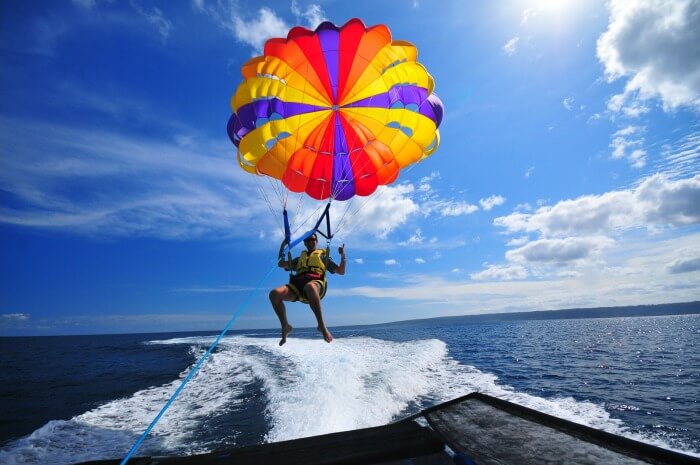
The Honest 2026 Guide (Prices, Islands & What to Actually Book)
Water Sports in Andaman, Explained by Someone Who Has Done Them
I have been to the Andaman Islands four times, and the water sports are the reason I keep going back. The sea here is not a backdrop. It is the whole show. This guide to water sports in Andaman is written from the boat and the beach, not from a brochure. I will tell you what each activity actually feels like, which island does it best, what it costs in 2026, and, importantly, which ones you can safely skip.
Suggested Read: Best time to Visit Andaman and How to reach Andaman
Here is the thing most pages will not say out loud: you do not need to book everything. Operators sell combo packs of eight activities and half of them blur into one wet, rushed afternoon. Pick two, maybe three. I will show you how to choose.
Quick Answer
Andaman offers roughly 14 water sports across three hubs. North Bay Island (off Port Blair) is best for sea walking and first-time scuba. Havelock (Swaraj Dweep) is best for serious scuba, snorkelling and kayaking. Neil Island (Shaheed Dweep) is best for calm, shallow-water and glass-bottom experiences. The season runs mid-October to mid-May . Prices in 2026 range from about ₹500 for a banana boat ride to ₹6,500 for a boat scuba dive. If you book only three, choose one underwater activity, one high-thrill ride, and one scenic ride.
Water Sports in Andaman Price List 2026
These are realistic 2026 rates per person, gathered across North Bay, Havelock and Neil operators. Beach vendors quote lower and cut corners on safety. Verified operators sit near the top of each range. Treat these as planning numbers, not fixed tariffs.
| Water Sport | Best Location | Price 2026 (per person) | Guide / Instructor |
| Scuba Diving (intro) | Havelock, North Bay | ₹3,500 to ₹6,500 | Mandatory |
| Snorkelling | Elephant Beach, North Bay | ₹600 to ₹1,500 | Recommended |
| Sea Walking | North Bay, Elephant Beach | ₹3,500 | Mandatory |
| Parasailing | Havelock, Corbyn’s Cove | ₹3,000 to ₹5,500 | Mandatory |
| Jet Skiing | Corbyn’s Cove, Elephant Beach | ₹600 to ₹1,200 | Operator-driven or solo |
| Sea Kart | Corbyn’s Cove, Port Blair | ₹3,500 to ₹5,400 | You drive, escorted |
| Banana Boat Ride | Elephant Beach, North Bay | ₹500 to ₹1,000 | Boat operator |
| Sofa Ride | Elephant Beach, Corbyn’s Cove | ₹600 to ₹1,200 | Boat operator |
| Glass Bottom Boat | North Bay, Bharatpur | ₹500 to ₹1,500 | Boatman guide |
| Dolphin Glass Bottom Boat | Port Blair, Havelock | ₹3,000 | Guided |
| Semi-Submarine (Coral Safari) | North Bay Island | ₹1,800 to ₹3,500 | Guided |
| Kayaking (day or night) | Havelock mangroves | ₹3,500 | Guided |
| Speed Boat Ride | Port Blair, Havelock | ₹1,000 | Operator-driven |
| Game Fishing (charter) | Havelock, Neil | ₹25,000+ per boat | Skipper and crew |
Note: prices shift with season, fuel, duration and whether GoPro footage is included. Peak weeks (mid-December to mid-January) run 10 to 20 percent higher.
Every Water Sport in Andaman: What It Feels Like and Who Should Do It
For each activity below I have covered the same things: what it actually feels like, whether it is solo or a group thing, the sea and weather it needs, what it involves, who can join, and whether you need a guide.
1. Scuba Diving
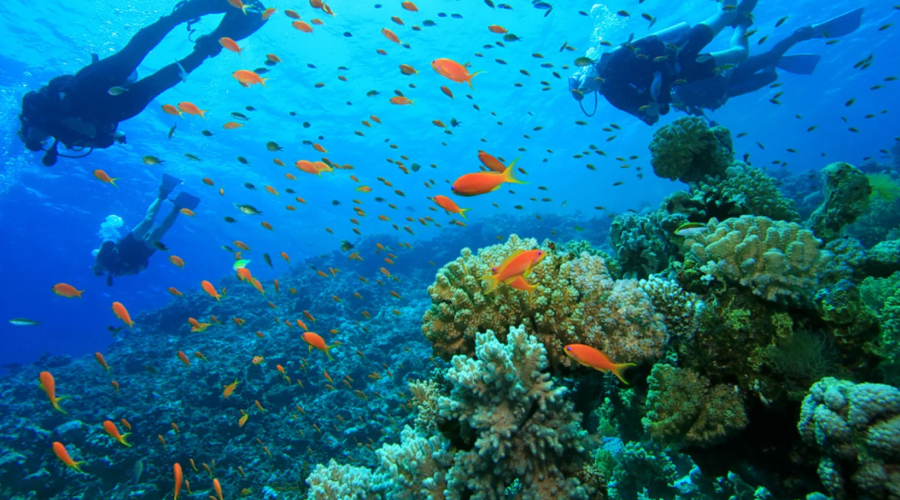
The first breath underwater rewires something in your brain. You are lying weightless over a reef at Nemo Reef or North Bay, your own breathing loud in your ears, and a clownfish is inspecting your mask from ten centimetres away. That is scuba diving in Andaman. On a shore dive you wade in from the beach. On a boat dive off Havelock, you back-roll into deeper blue where the coral shelves drop away and the fish get bigger.
You do not need to know swimming for an intro dive. A PADI instructor holds you the entire time, controls your buoyancy, and you stay between six and twelve metres. Certified divers can go deeper on fun dives.
Solo or group: Done one-on-one with an instructor, though friends dive together in a group. Sea and weather: Needs calm seas and 10 to 30 metre visibility. Mornings are best. Who can do it: Ages roughly 10 to 55, non-swimmers included on intro dives. Not for people with heart, lung or severe ear conditions. Guide needed: Yes, always. Never dive without a certified instructor.
2. Snorkelling
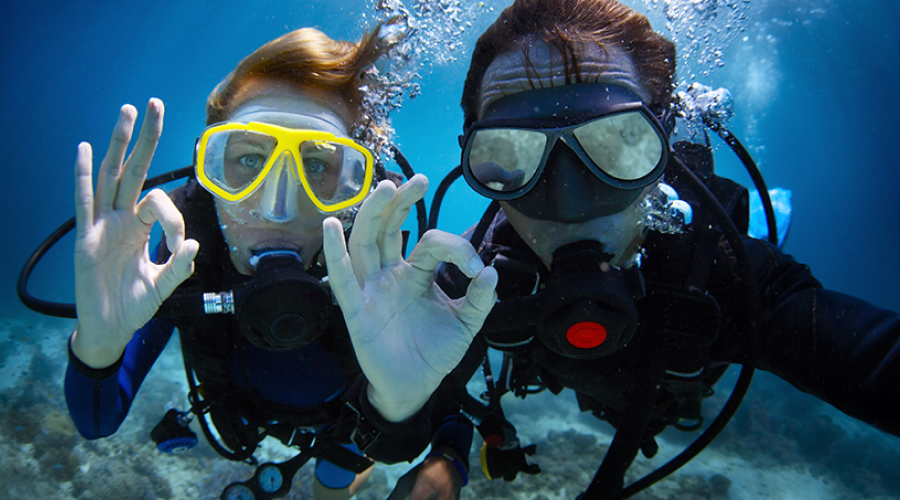
Snorkelling is the gateway drug of the reef. You float face down, breathe through a tube, and the coral garden opens up below you in daylight colour. At Elephant Beach the shallow reef sits close to the surface, so you barely have to swim. It is quieter than scuba and you set your own pace.
The sensory hit is gentle: warm water, the click and crackle of the reef, parrotfish grazing on coral. It is the cheapest way to see marine life and the easiest to repeat.
Solo or group: Can be solo, but groups go out together with a guide and a float line. Sea and weather: Calm, shallow, low current. Poor after rain when sediment clouds the water. Who can do it: Most ages from about 5 to 60. Basic comfort in water helps but a life ring is provided. Guide needed: Recommended for first-timers; the guide points out marine life and keeps you off the coral.
3. Sea Walking
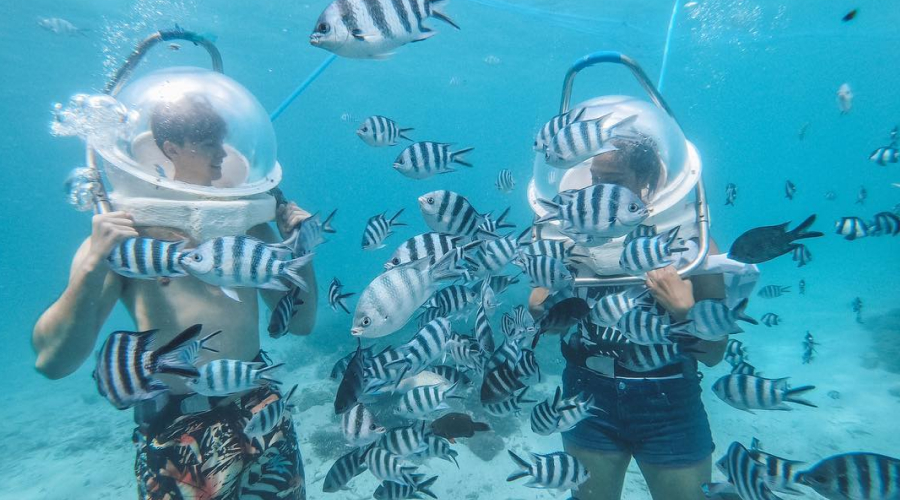
This is the one that surprises people. A heavy glass helmet is lowered over your head, air is pumped in from the surface, and you walk on the sandy seabed at four to seven metres with your hair completely dry. Fish swarm around you because the guide feeds them. It feels like moonwalking in an aquarium.
No swimming, no diving skill, no getting your face wet. You climb down a ladder, the helmet does the work, and a diver stays at your side the whole time. North Bay Island runs the smoothest operation for this.
Solo or group: Individual, but you descend in small supervised groups. Sea and weather: Requires very calm, clear water. Cancelled first when the sea turns choppy. Who can do it: Ages roughly 8 to 60. Not for asthma, heart or ear-pressure problems, or pregnancy. Guide needed: Yes. An underwater guide walks with every participant.
4. Parasailing
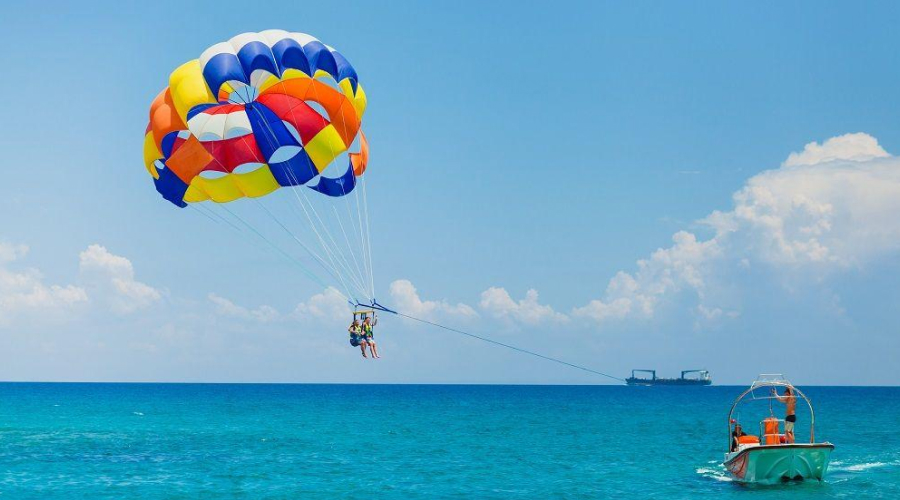
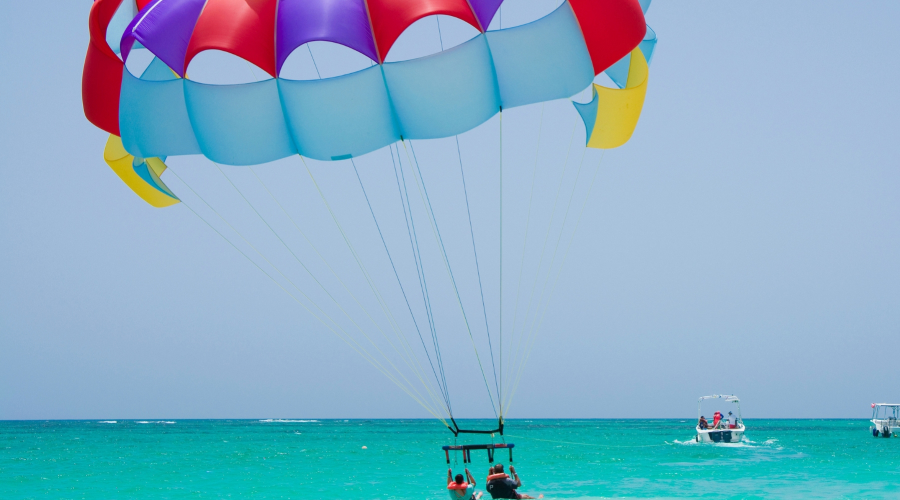
A speedboat pulls, the canopy fills, and suddenly the beach drops away beneath your feet. You are 50 to 100 metres up, harnessed and silent except for wind, looking down at turquoise water and the pale outline of reefs. The take-off and landing give a small jolt of nerves; the middle is pure calm.
It lasts only five to ten minutes and you do nothing but sit back. Havelock gives longer flights and better views; Corbyn’s Cove is the convenient Port Blair option.
Solo or group: Solo flight, though tandem is sometimes offered. Booked in a group rotation. Sea and weather: Needs steady wind and moderate swell. Grounded in gusty or stormy conditions. Who can do it: Ages about 12 to 55, within weight limits. Not for heart conditions or pregnancy. Guide needed: Yes. Crew harness you, brief you and control the winch.
5. Jet Skiing
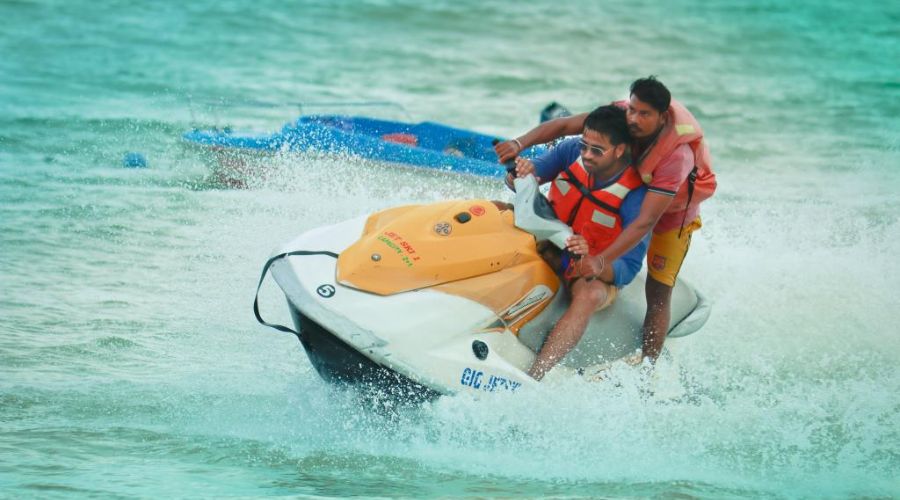
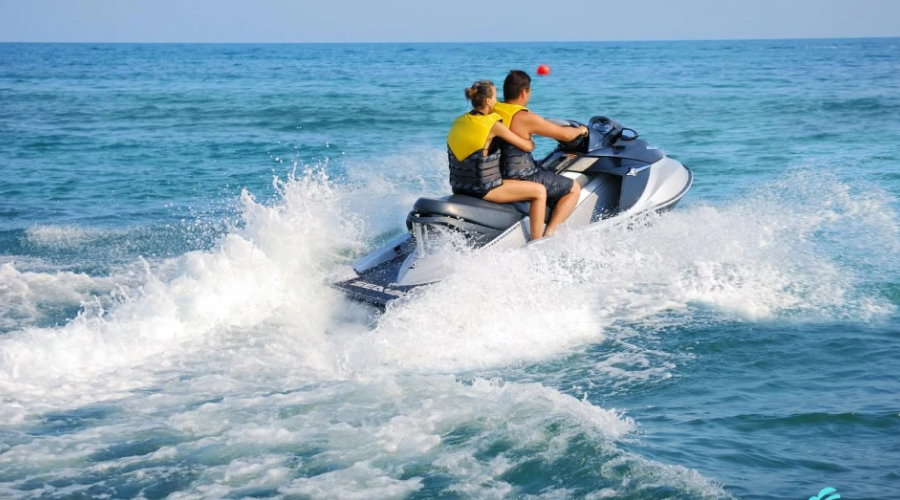
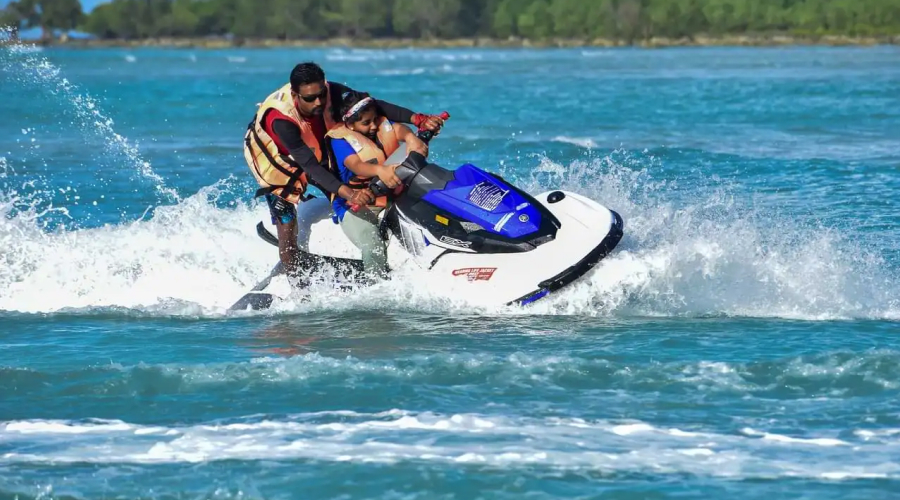
Twist the throttle and the machine leaps. Salt spray in your face, the hull slapping across chop, a tight turn that throws a wall of water. Jet skiing is the fastest, most direct thrill on the list, done in a marked zone at Corbyn’s Cove or Elephant Beach.
Most rides are short, ten to fifteen minutes. You either ride pillion behind an operator or take the controls yourself in a small lagoon under supervision.
Solo or group: Solo or two-up. Not really a group activity. Sea and weather: Best in calm to moderate water. Small chop actually adds to the fun. Who can do it: Teens and adults, roughly 15 plus to self-drive. Kids ride with an operator. Guide needed: An operator is present; solo riders get a quick briefing first.
6. Sea Kart
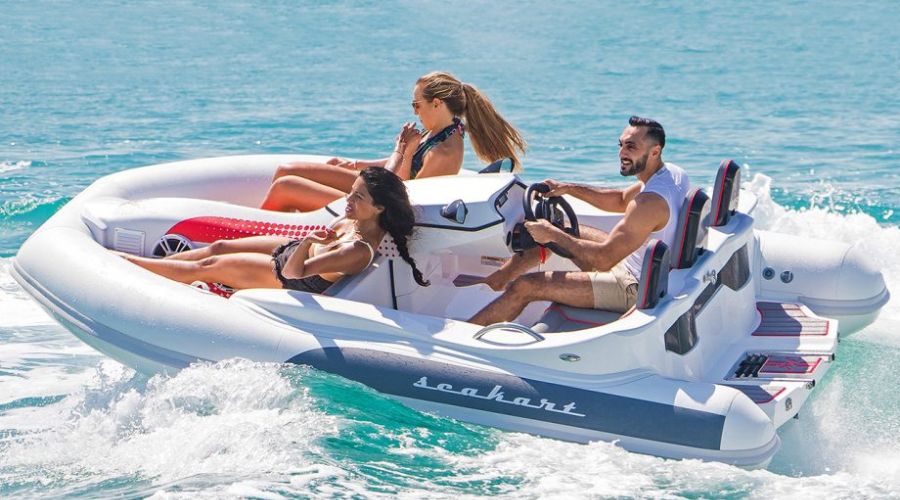
A sea kart is a small, punchy two-seater speedboat you drive yourself. It corners hard, kicks up spray, and gives you the steering wheel in a way a jet ski does not. This is the newest headline activity, and it only runs at Corbyn’s Cove in Port Blair because it needs marked routes and safety boats.
The fun is in the control. You throttle, you steer, an instructor shadows you. It photographs brilliantly.
Solo or group: One or two people per kart; groups go out in a convoy. Sea and weather: Calm to moderate seas. Suspended in rough water. Who can do it: Roughly ages 6 to 60 as passenger; driver must meet the operator’s age rule. Guide needed: You drive, but an escorted safety team supervises the route.
7. Banana Boat Ride
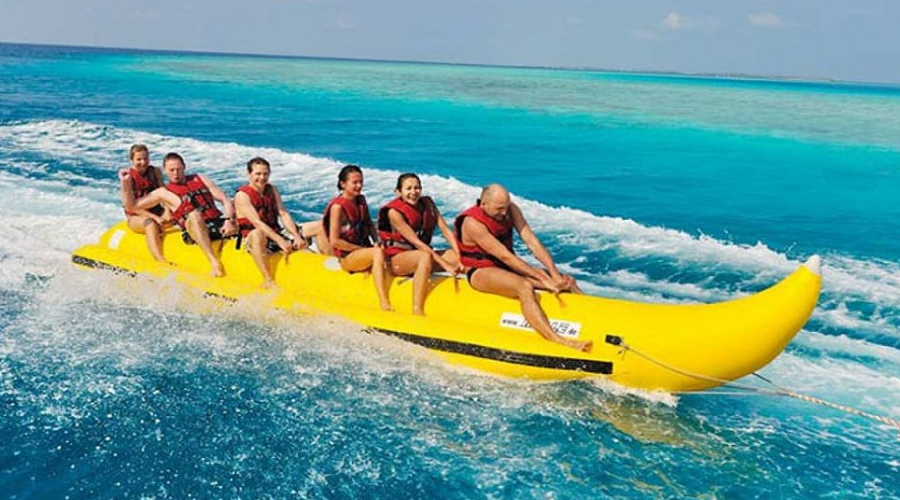
Six people straddle an inflatable banana, a speedboat yanks the rope, and everyone screams. The whole point is the flip at the end, when the driver banks hard and tips you all into the sea, laughing. It is chaotic, social and completely silly.
Zero skill needed. Life jackets on, hold the handles, and get ready to fall in warm water.
Solo or group: Group only. You need a boatful of people to make it fun. Sea and weather: Calm, shallow water near the beach. Who can do it: Families, kids from about 6 upward with an adult. Guide needed: The speedboat operator runs it; no personal instructor needed.
8. Sofa Ride
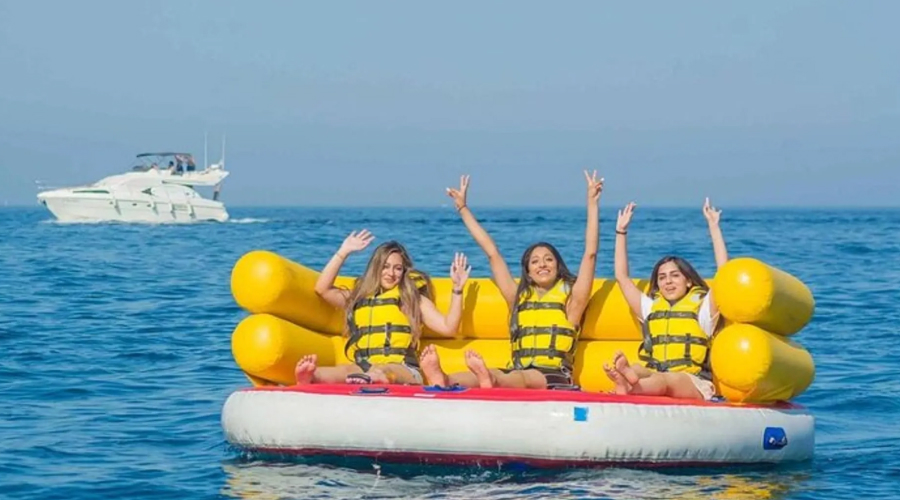
Same idea as the banana boat, but you sit on an inflatable sofa that gets whipped across the water behind a speedboat. The bumps are bigger and the ride is bouncier. Every wave you cross launches you an inch off the seat.
It is short, loud and good for a group that wants a thrill without any technique.
Solo or group: Group ride, two to four people at a time. Sea and weather: Calm to light chop. Who can do it: All ages with supervision; not ideal for bad backs. Guide needed: Boat operator supervises.
9. Glass Bottom Boat and Dolphin Glass Bottom Boat
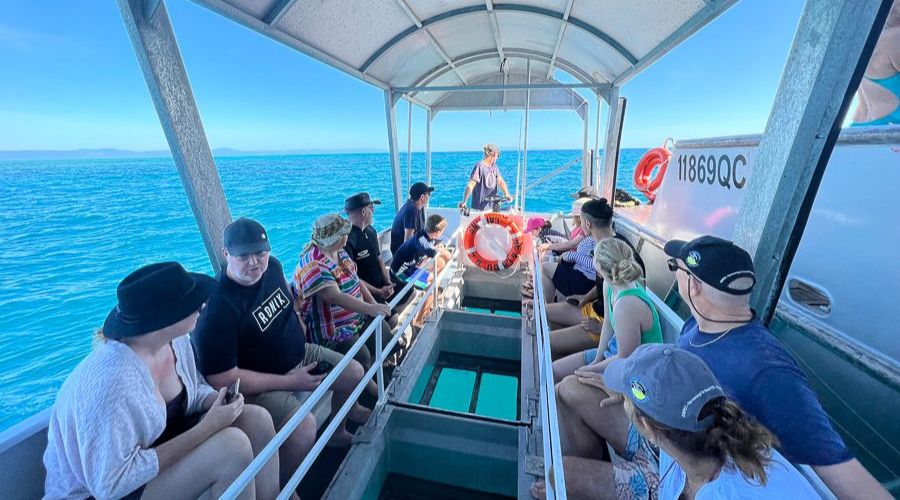
For anyone who wants the reef without getting wet, this is it. You sit in a boat with a transparent floor and the coral scrolls past underneath. The dolphin glass bottom boat adds an air-conditioned lower deck of glass where 20 to 30 people watch the reef together, with a guide naming the corals.
It is calm, dry and slow. Perfect for grandparents, toddlers and anyone nervous about the sea.
Solo or group: Group, shared boat. Sea and weather: Needs clear, calm water for good visibility. Mornings are clearest. Who can do it: Every age, non-swimmers, elderly, infants. Guide needed: A boatman or guide narrates and steers.
10. Semi-Submarine Coral Safari
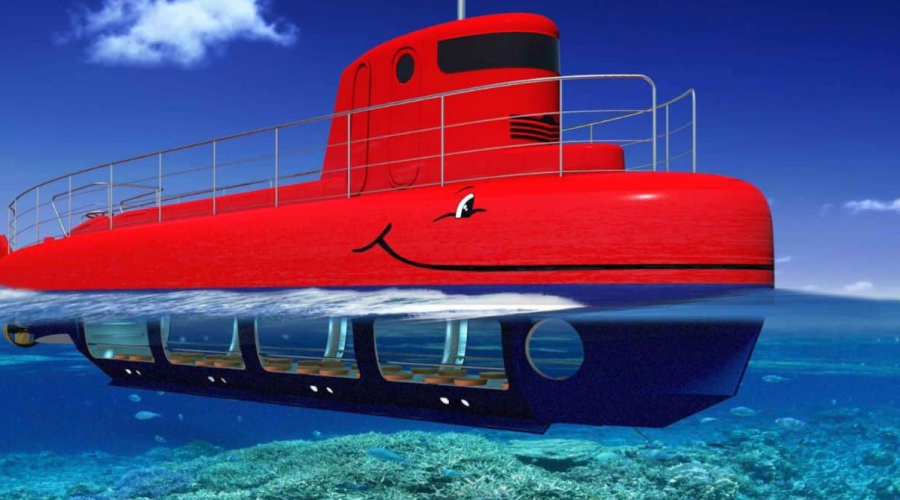
A semi-submarine looks like a boat but has a sealed cabin below the waterline with big windows. You sit down there, below the surface, and watch the reef drift by at eye level while staying completely dry. It runs mainly at North Bay Island.
It gives a deeper, steadier view than a glass-bottom boat and works for people who feel unsafe on open water.
Solo or group: Group, seated cabin. Sea and weather: Calm, clear water. Cancelled in rough seas. Who can do it: All ages, non-swimmers, elderly, children. Guide needed: Guided, with a crew running the vessel.
11. Kayaking (Day and Night Bioluminescence)
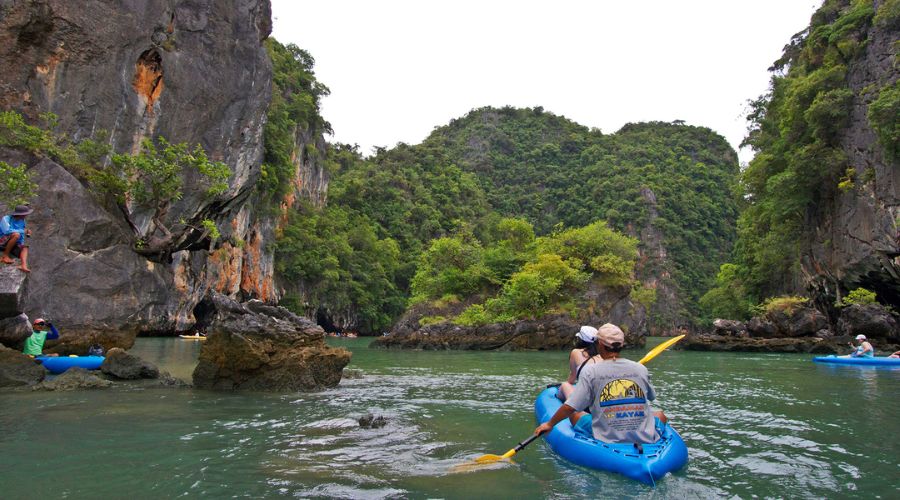
Day kayaking in the Havelock mangroves is meditative. You paddle through green tunnels of roots, the only sound your blade dipping in still water. Night kayaking is the one that stays with you: on a moonless night the plankton light up electric blue every time you move the paddle, and the water glows around your hands. Bioluminescence is rare and Andaman does it well.
It is gentle physical effort and no swimming is needed. A guide leads the route.
Solo or group: Solo or tandem kayaks, always in a guided group. Sea and weather: Needs calm, protected creek water. Night trips depend on the moon phase. Who can do it: Roughly ages 10 to 50, reasonable fitness. Guide needed: Yes. A certified guide leads every kayak trip.
12. Game Fishing
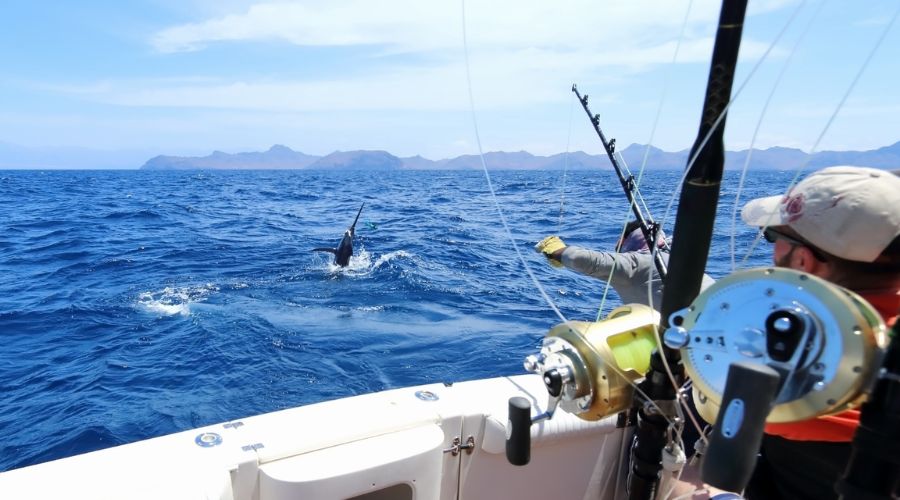
This is the serious, all-morning one. You head out on a charter with rod and reel, the boat rolling in deeper water, and wait for a strike. When a trevally or barracuda hits, the fight is physical and loud. Most Andaman operators run it catch-and-release.
It is expensive because you charter the whole boat and crew, so it makes sense for a group splitting the cost.
Solo or group: Group charter, shared cost. Sea and weather: Needs settled seas offshore; the first activity cancelled when weather turns. Who can do it: Adults and older kids who can handle a few hours at sea. Bring seasickness tablets. Guide needed: Yes, a skipper and crew run the boat and tackle.
Water Sports in North Bay Island
North Bay Island sits a 20-minute boat ride off Port Blair and is the water sports hub you reach on day one, usually paired with Ross Island. It is not a place you stay; it is a place you do things. The reef here is shallow and close to shore, and the whole island is set up as an activity platform with jetties, changing rooms and safety boats.
Why North Bay is best for sea walking and first scuba: the water is shallow, sheltered and clear, which is exactly what a helmet sea walk and a beginner shore dive need. Because you can enter straight from the beach shelf, nervous first-timers get in and out easily. North Bay is also where the semi-submarine coral safari and the dolphin glass bottom boat run, so non-swimmers and families get the widest choice in one spot.
What to do here: sea walking, intro shore scuba, semi-submarine, glass bottom boat, snorkelling, jet ski, parasailing. What to skip: serious diving, which is far better on Havelock.
Water Sports in Havelock Island (Swaraj Dweep)
Havelock, officially Swaraj Dweep, is a 90-minute ferry from Port Blair and is the heart of Andaman diving. Elephant Beach is the activity beach, reached by a short boat hop or a jungle walk. Nemo Reef and the sites off Havelock have the healthiest coral and the best visibility in the islands.
Why Havelock is best for scuba, snorkelling and kayaking: the reefs are deeper, richer and clearer than anywhere else, so a boat dive here shows you turtles, larger schools and better coral than a North Bay shore dive. The dive schools on Havelock are the most professional in the territory. The mangrove creeks also make it the only place for proper day and night kayaking, including the blue bioluminescence trips.
What to do here: boat scuba diving, snorkelling at Elephant Beach, day and night kayaking, sea walking, parasailing, banana and jet ski. What to skip: nothing much, though prices run higher than Port Blair.
Water Sports in Neil Island (Shaheed Dweep)
Neil Island, officially Shaheed Dweep, is the quiet one, a short ferry from Havelock. Bharatpur Beach is its activity centre, with a wide lagoon of shallow, glassy water. Neil moves slower and the crowds are thinner.
Why Neil is best for calm-water and glass-bottom experiences: Bharatpur is lagoon-like, shallow and protected, which makes it the safest, gentlest water for families with small children, glass bottom boat rides and easy snorkelling. Stand-up paddleboarding works well here because the surface stays flat. It is not the place for high-adrenaline rides, and that is exactly the point.
What to do here: glass bottom boat, snorkelling, jet ski, banana ride, paddleboarding. What to skip: expect fewer thrill options than Havelock or Port Blair.
Do Not Book All the Water Sports. Here Is Why.
Operators love selling a stack of eight activities in one combo. Resist it. After three trips I am convinced two, maybe three activities give you a far better day than a rushed conveyor belt of all of them. Here is the honest reasoning:
- The rides blur together. Banana boat, sofa ride and jet ski are all fast-water thrills. Do all three and by the second one your body cannot tell the difference. Pick one.
- You spend the day queuing, not experiencing. Every activity has a wait, a briefing, gearing up and drying off. Doing eight activities means most of your day is logistics.
- Fatigue kills the good ones. Scuba and sea walking deserve a calm, rested body. Do them after four adrenaline rides and you will be too tired to enjoy the one that actually matters.
- Combos hide weak links. Package deals pad the price with cheap filler rides you would never book alone.
- Your money goes further on quality. One properly guided boat dive beat five rushed activities from a beach vendor.
The smart formula: pick one underwater experience (scuba or sea walking), one high-thrill ride (parasailing, jet ski or sea kart), and at most one scenic ride (glass bottom or semi-submarine). That is the whole day, done well.
Safety Guidelines for Water Sports in Andaman
Andaman is well regulated, but the sea does not care about your holiday plans. These rules come from experience, not a liability form.
- Only book verified, certified operators. For scuba, insist on PADI or SSI certified instructors. Cheap beach vendors are where accidents happen.
- Tell the operator about any heart, lung, ear or blood pressure condition, pregnancy, or recent surgery before you book. Underwater activities are off-limits for several of these.
- Never eat a heavy meal right before diving or sea walking. Wait at least two hours, but do not go on a completely empty stomach either.
- Wear the life jacket for every surface ride, every time, even if you swim well.
- Do not fly within 18 to 24 hours after scuba diving. Plan your dive for the start of your trip, not the day before your flight.
- Listen to the briefing and the hand signals. Underwater you cannot ask questions, so learn them on the surface.
- Never touch or stand on coral. It cuts you, it kills the reef, and in a marine park it can get your operator fined.
- If you feel ear pressure, dizziness or panic, signal to stop. A good guide ends the activity immediately, no argument.
- Carry a dry bag, a spare set of clothes and reef-safe sunscreen. Book morning slots for calmer, clearer water.
The Reef Nobody Books: A Local Case for Slowing Down (Unique Insight)
Here is something no other water sports page will tell you, because it does not sell an extra activity: the best underwater moment I have had in Andaman cost me nothing extra and involved no adrenaline at all.
On my third trip, a dive guide off Havelock did something unusual at the end of a boat dive. Instead of surfacing straight away, he signalled the group to kneel on the sand at eight metres, switch off our fins, and simply stay still for three minutes. No swimming, no chasing fish. Within a minute the reef forgot we were there. A cleaner wrasse started working over a grouper’s gills. A cuttlefish, which had been hiding, drifted out and changed colour twice, from sandy brown to a rippling zebra pattern, right in front of us. A juvenile turtle came up to breathe and paddled past close enough to touch. None of it happens when you are kicking around ticking activities off a list.
That is the insight I wish someone had given me on day one. Andaman’s marine life reveals itself to stillness, not to speed. The whole tourism machine here is built around motion: faster boats, more rides, back-to-back bookings, a GoPro strapped to everything. But the reef runs on a slower clock. Fish that scatter from a splashing snorkeller will come within arm’s reach of a diver who stops moving. The parrotfish crunching coral, the anemone breathing, the shrimp cleaning a moray’s teeth: these are the moments people fly home raving about, and they are free. They just require you to book fewer things and pay attention to the ones you keep.
There is a practical version of this too. Most tourists rush North Bay on day one, jet-lagged and over-scheduled, and see the reef through a fog of fatigue. The locals who go scuba diving here for a living almost never do the combo packs. They pick one dive site, go early when the light is low and the water is glass, and spend their energy on being present rather than being everywhere. A dive at 7 am on a calm Havelock morning, before the ferries dump the crowds, is a completely different ocean from the same site at noon.
Andaman also hides a seasonal secret. The window right after the monsoon eases, late September into early October, gets written off by most guides because a few operators are still closed. But the water in those first clear weeks is often startlingly alive. The rains flush nutrients into the sea, the plankton bloom, and the fish feed heavily. Visibility can be patchy for a day or two, then it clears and you get reefs busier than the polished peak-season postcard. If you can handle a slightly less certain schedule, the shoulder edge of the season rewards you.
So, the local advice, distilled: book two activities, not eight. Choose the earliest slot of the day. And on your one underwater experience, ask your guide for a minute of stillness. It is the cheapest upgrade in the Andaman Islands, and it is the one you will still be talking about years later.
Best Time for Water Sports in Andaman (With Honest Trade-offs)
- Mid-October to mid-May is the working season, and each stretch has a catch.
- December to January has the calmest seas and best visibility, but it is peak: prices climb, slots fill days ahead, and North Bay gets crowded.
- February to April is my favourite, with warm water, excellent clarity and thinner crowds.
- Late September to early October is the underrated shoulder edge, cheaper and often lively underwater, but a few operators may still be reopening.
- June to mid-September is monsoon: rough seas, poor visibility, and most boat activities and island trips like Jolly Buoy shut down. Do not plan a water sports trip in these months.
- Best time of day: morning, 8 am to 11 am. The sea is calmest, visibility is highest, and winds pick up in the afternoon. Book early slots for anything underwater.
How to Reach the Water Sports Hubs
To Andaman: fly into Veer Savarkar International Airport in Port Blair. Direct flights run from Chennai (about 2 hours), Kolkata, Delhi, Bengaluru and Hyderabad. There is no train or road; it is fly or a multi-day passenger ship from Chennai, Kolkata or Visakhapatnam.
To North Bay: a government or private boat from Port Blair’s water sports jetty, usually combined with Ross Island as a half-day tour.
To Havelock and Neil: private ferries (Makruzz, Green Ocean, Nautika, ITT Majestic) from Port Blair. Havelock is 90 minutes; Neil is a further 60 minutes or so. Book ferry seats in advance in peak season, as they sell out.
Permits for Andaman Water Sports
Indian nationals do not need a permit for the main islands (Port Blair, Havelock, Neil, North Bay). Foreign nationals no longer need the old RAP for most of these islands, but rules change, so confirm current requirements before travel. Restricted and tribal areas remain off-limits. For marine park zones like Jolly Buoy and Red Skin, a forest entry ticket and eco-fee apply, and plastic is banned. Carry a photo ID everywhere; you will need it at jetties and for activity check-in.
What to Skip or Avoid
- Skip the eight-activity combo pack. Two or three chosen well beats the lot.
- Avoid unregistered beach vendors quoting suspiciously low scuba or sea walk prices.
- Skip water sports entirely during the June to September monsoon.
- Do not schedule scuba on the day before your flight home.
- Avoid Kalapathar and Radhanagar for serious water sports; they are for swimming and sunsets, not activities.
- Do not carry valuables or jewellery to activity beaches; use a dry bag.
Planning Your Water Sports in Andaman with andamantourism.org
Booking water sports from the mainland is where most trips lose money and time. A mainland agent cannot tell you that the sea at North Bay was rough this morning, that a particular dive school swaps in tired instructors in peak week, or that the 7 am ferry to Havelock gives you a full extra activity slot the 10 am one does not.
andamantourism.org is a local, Andaman-based operator. The team lives on the islands, knows the boat crews and dive instructors by name, and tracks the daily sea and weather conditions that decide whether sea walking runs or gets cancelled. That on-ground knowledge is not a marketing line here; it is the difference between a confirmed morning slot in calm water and a wasted afternoon standing on a jetty. Being local also means real relationships with vetted, certified operators, honest advice on which two or three activities suit your group, and help with ferry timing, permits and seasonal quirks that mainland agencies simply cannot see from a screen. View our full range of Andaman Tour Packages to book your trip.
Water Sports in Andaman: FAQ
Which water sports in Andaman are best for non-swimmers?
Sea walking, glass bottom boat rides, the semi-submarine coral safari and an intro scuba dive with an instructor all work for non-swimmers. All are supervised with safety gear, and none require you to swim.
How much do water sports in Andaman cost in 2026?
Expect ₹500 to ₹1,500 for rides like banana boat, jet ski and glass bottom boat, around ₹3,000 to ₹4,000 for sea walking and parasailing, and ₹3,500 to ₹6,500 for scuba diving. Budget roughly ₹4,000 to ₹8,000 per person for a good two to three activity day.
Which island is best for water sports in Andaman?
Havelock (Swaraj Dweep) is best for scuba, snorkelling and kayaking. North Bay Island is best for sea walking and first-time scuba. Neil Island (Shaheed Dweep) is best for calm-water and glass-bottom experiences for families.
What is the best time for water sports in Andaman?
Mid-October to mid-May, with December to January calmest but busiest, and February to April offering the best mix of clarity and smaller crowds. Mornings from 8 to 11 am have the calmest, clearest water.
Do I need a guide or instructor for water sports in Andaman?
Yes for scuba, sea walking, parasailing, kayaking and game fishing. Rides like banana boat, sofa ride and glass bottom boat are run by a boat operator, so no personal instructor is needed.
Can I do multiple water sports in one day in Andaman?
You can, but do not overdo it. Two or three chosen activities give a far better day than a rushed combo of eight. Mix one underwater activity, one thrill ride and one scenic ride.
Are water sports in Andaman safe for children?
Many are, with adult supervision and life jackets. Glass bottom boats, semi-submarine and banana rides suit younger kids, while sea walking and scuba usually start around age 8 to 10 depending on the operator.